Women's US Open Winners Since 2000: Champions, Finalists and Records
A complete record of 27 women's US Open finals from 2000 through 2026, with champions, finalists and scores. Compare repeat winners and understand why Serena's period total differs from her career record.
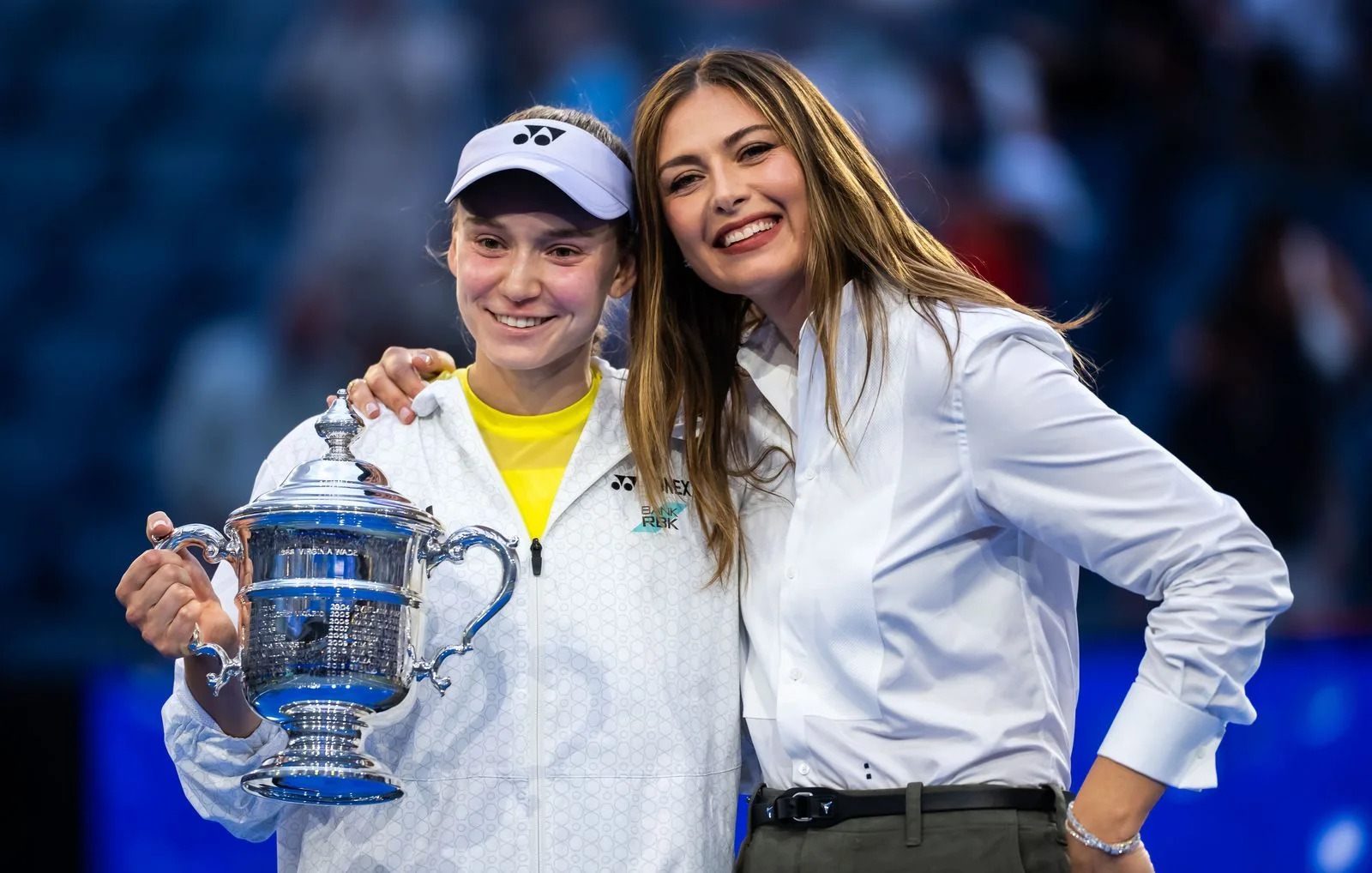
The women's US Open winners since 2000 include repeat champions, comeback winners and first-time major champions. This complete 2000-2026 reference includes every finalist and score, checked after the 2026 tournament on October 19, 2026.
Every women's US Open final from 2000 to 2026
Elena Rybakina is the latest women's US Open singles champion in this record. She defeated Aryna Sabalenka 6-4, 5-7, 6-2 in the 2026 final. The table below covers every edition from 2000 through 2026, including both endpoint years: 27 championships in total.
All scores are written from the champion's perspective. This is women's singles, so doubles, mixed doubles and junior titles are excluded. Names are presented consistently across the period; Justine Henin's entries include editions in which contemporary records used Henin-Hardenne.
| Year | Champion | Finalist | Final score |
|---|---|---|---|
| 2026 | Elena Rybakina | Aryna Sabalenka | 6-4, 5-7, 6-2 |
| 2025 | Aryna Sabalenka | Amanda Anisimova | 6-3, 7-6(3) |
| 2024 | Aryna Sabalenka | Jessica Pegula | 7-5, 7-5 |
| 2023 | Coco Gauff | Aryna Sabalenka | 2-6, 6-3, 6-2 |
| 2022 | Iga Swiatek | Ons Jabeur | 6-2, 7-6(5) |
| 2021 | Emma Raducanu | Leylah Fernandez | 6-4, 6-3 |
| 2020 | Naomi Osaka | Victoria Azarenka | 1-6, 6-3, 6-3 |
| 2019 | Bianca Andreescu | Serena Williams | 6-3, 7-5 |
| 2018 | Naomi Osaka | Serena Williams | 6-2, 6-4 |
| 2017 | Sloane Stephens | Madison Keys | 6-3, 6-0 |
| 2016 | Angelique Kerber | Karolina Pliskova | 6-3, 4-6, 6-4 |
| 2015 | Flavia Pennetta | Roberta Vinci | 7-6(4), 6-2 |
| 2014 | Serena Williams | Caroline Wozniacki | 6-3, 6-3 |
| 2013 | Serena Williams | Victoria Azarenka | 7-5, 6-7(6), 6-1 |
| 2012 | Serena Williams | Victoria Azarenka | 6-2, 2-6, 7-5 |
| 2011 | Samantha Stosur | Serena Williams | 6-2, 6-3 |
| 2010 | Kim Clijsters | Vera Zvonareva | 6-2, 6-1 |
| 2009 | Kim Clijsters | Caroline Wozniacki | 7-5, 6-3 |
| 2008 | Serena Williams | Jelena Jankovic | 6-4, 7-5 |
| 2007 | Justine Henin | Svetlana Kuznetsova | 6-1, 6-3 |
| 2006 | Maria Sharapova | Justine Henin | 6-4, 6-4 |
| 2005 | Kim Clijsters | Mary Pierce | 6-3, 6-1 |
| 2004 | Svetlana Kuznetsova | Elena Dementieva | 6-3, 7-5 |
| 2003 | Justine Henin | Kim Clijsters | 7-5, 6-1 |
| 2002 | Serena Williams | Venus Williams | 6-4, 6-3 |
| 2001 | Venus Williams | Serena Williams | 6-2, 6-4 |
| 2000 | Venus Williams | Lindsay Davenport | 6-4, 7-5 |
The champion sequence follows the official US Open history and WTA honor roll. Keeping the finalist beside each winner reveals continuities that a trophy count alone misses: Serena and Venus exchanged roles in consecutive finals, Serena later met Azarenka in back-to-back title matches, and Sabalenka appeared on both sides of the final result in the most recent editions.
For the broader men's and women's history, use our US Open winners-by-year guide. Here the focus remains the complete women's record from 2000 onward, followed by the period's repeat winners and the different stories behind their titles.
Who has won the most titles since 2000?
Serena Williams won the most women's US Open singles titles in the 2000-2026 period, with five. Counting the 27 annual results above produces 17 different champions, including six players who won more than once. Those totals describe this defined period, rather than the whole history of the tournament.
Serena Williams leads this period with five titles
| Player | Titles in period | Winning years |
|---|---|---|
| Serena Williams | 5 | 2002, 2008, 2012, 2013, 2014 |
| Kim Clijsters | 3 | 2005, 2009, 2010 |
| Venus Williams | 2 | 2000, 2001 |
| Justine Henin | 2 | 2003, 2007 |
| Naomi Osaka | 2 | 2018, 2020 |
| Aryna Sabalenka | 2 | 2024, 2025 |
Serena's 2012-2014 sequence is the longest consecutive title run within the period. Venus, Clijsters and Sabalenka each defended a title once in consecutive editions. Osaka's victories came two years apart, so she belongs among the repeat champions without belonging to that particular list of consecutive winners.
That distinction gives fans two different ways to describe sustained success. Winning again after an intervening champion demonstrates a return to the top; defending a title means negotiating the very next edition as champion. Neither description should be substituted for the other. Our 2020 US Open recap revisits the year of Osaka's second New York title.
Career records answer a different question
Serena has six career US Open singles titles, as the WTA's career biography confirms. Her first came in 1999, which falls outside a table beginning in 2000. Saying “five since 2000” and “six in her career” is therefore consistent.
Historical comparisons need an era label as well. Serena and Chris Evert share the Open Era women's record of six US Open singles titles; Molla Mallory's all-time total is eight, earned before the Open Era. None of those broader totals changes the calculation for this article's 27-edition window.
When checking a record claim, ask three questions: which event, which years and which era? A women's singles total should not absorb doubles titles, and a period leaderboard should not import a title from just outside its stated starting date.
How the early 2000s moved beyond one rivalry
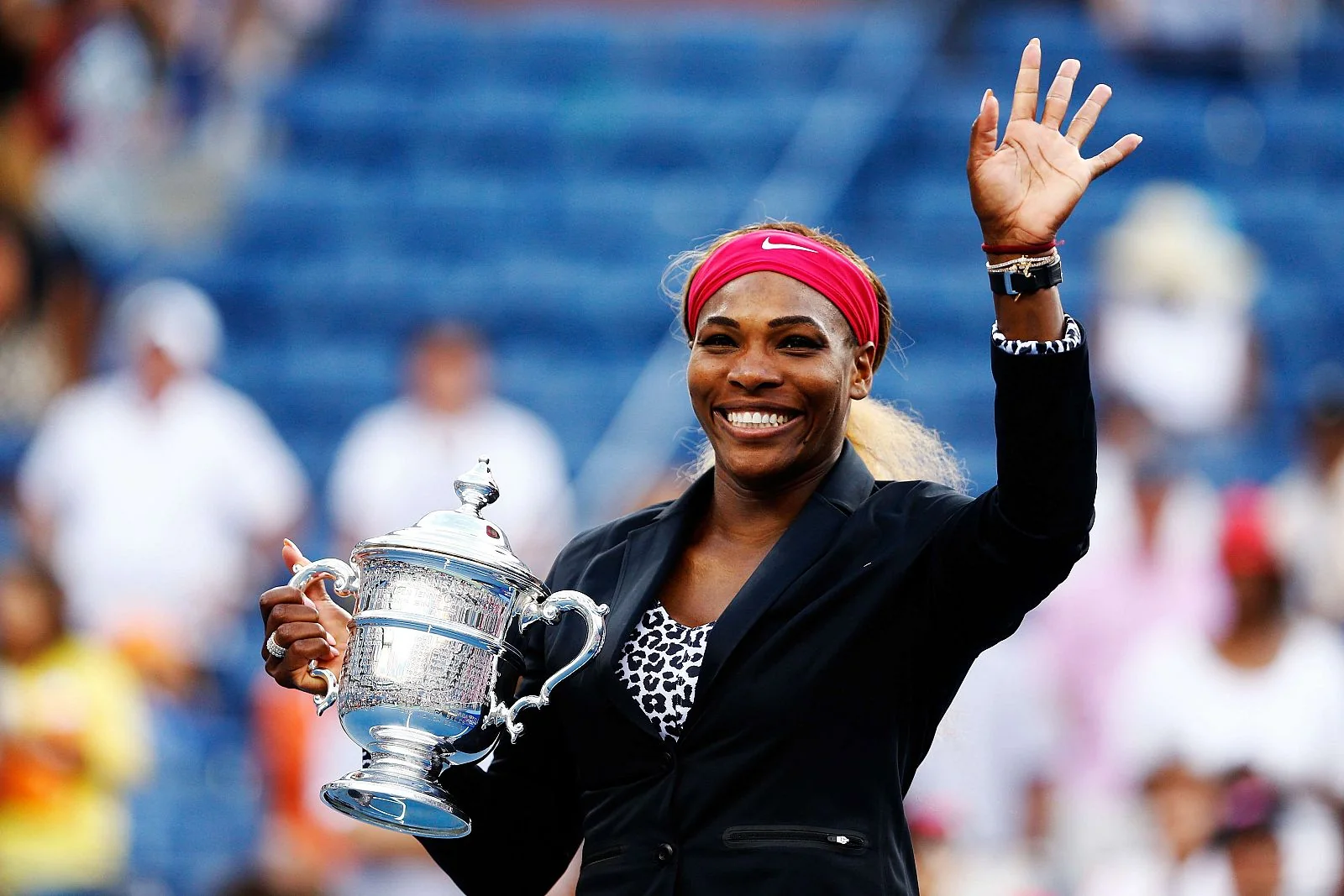
The period began with Venus Williams winning consecutive titles, first against Lindsay Davenport in 2000 and then against Serena in 2001. Serena reversed the outcome of their New York final a year later. Those opening editions give the table a clear family rivalry, but they do not describe the full competitive landscape of the decade.
The 2003 final was an all-Belgian match, with Justine Henin beating Kim Clijsters 7-5, 6-1. Svetlana Kuznetsova won in 2004, Clijsters in 2005 and Maria Sharapova in 2006 before Henin returned to the champion column in 2007. Serena's 2008 victory over Jelena Jankovic then brought another title back to the Williams family.
That sequence is useful because it resists a simple description of the entire era as one uninterrupted reign. Several champions emerged, and some returned after an interval. An annual table records each change cleanly, while the finalist column shows that losing a title match did not prevent a player from coming back to win later.
Clijsters supplies the strongest example. Her 2005 trophy was a first major singles title; her 2009 win came after retirement, motherhood and a return to the tour. The US Open's comeback retrospective records that she entered as a wild card after just two preparatory tournaments, then beat both Venus and Serena before defeating Caroline Wozniacki in the final.
The next year was different again: Clijsters defended her championship by beating Vera Zvonareva 6-2, 6-1. Her three title years therefore contain a first breakthrough, a comeback and a successful defense. Listing “three titles” is accurate, but it leaves out why those separate wins mattered to spectators following her career.
Samantha Stosur's 2011 victory over Serena added another first-time New York champion before Serena's three-title sequence began. By the time the event reached the next major change, the 2015 US Open, the women's championship had already demonstrated how an established contender, a returning champion and a new winner could each shape a different edition.
Breakthrough champions reshaped the next era
From 2015 onward, the champion list contains a succession of first-time US Open winners, but their circumstances differ sharply. A first title in New York can be a late-career achievement, a teenager's major breakthrough or another major trophy for someone who has already won elsewhere.
An all-Italian final in 2015
Flavia Pennetta defeated Roberta Vinci 7-6(4), 6-2 in the first all-Italian women's Grand Slam final. Pennetta was 33 and playing her first major singles final. Her title makes a useful counterpoint to the idea that every new champion represents the arrival of a teenager.
The score also preserves the match's two different phases. The opening set needed a tiebreak, which Pennetta won 7-4, while the second set ended 6-2. The larger second-set margin does not erase the competitive opening contest. A brief champions list can make both sets look like equally routine steps unless the score is read carefully.
Raducanu's qualifying route in 2021
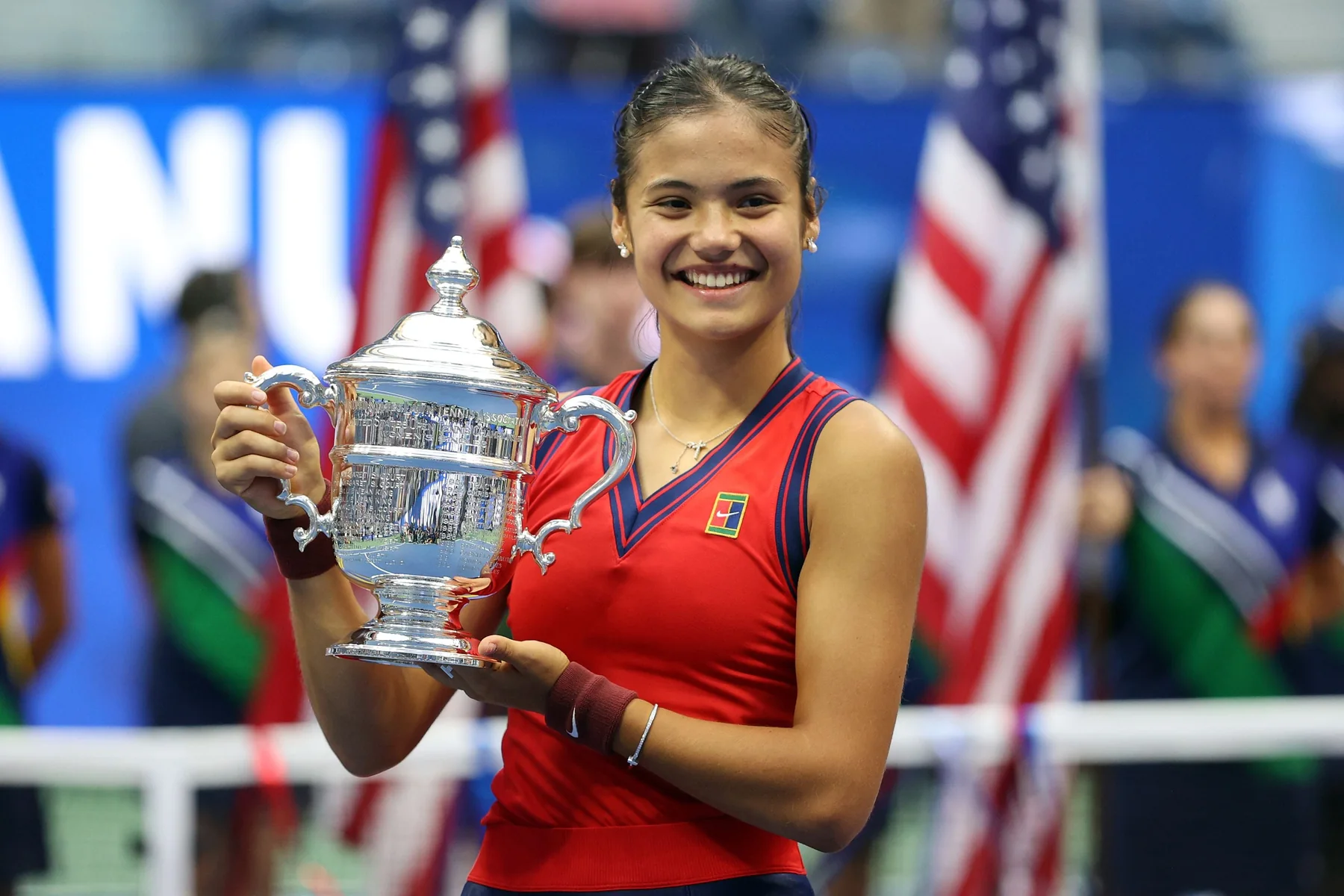
Emma Raducanu's 2021 championship came through a very different route. Ranked No. 150 entering the event, the 18-year-old won three qualifying matches and seven main-draw matches without losing a set. The WTA final report records her 6-4, 6-3 victory over Leylah Fernandez and her status as the first qualifier to win a Grand Slam singles title.
That distinction is about entry route as well as age. Raducanu was a qualifier, whereas Clijsters' 2009 comeback had used a wild card. Both titles challenged expectations, but they were earned through different starting points in the draw. Three plus seven explains why Raducanu's New York run is remembered as 10 matches rather than the usual seven main-draw victories.
Her success sits among other important changes in the champion column: Sloane Stephens in 2017, Naomi Osaka in 2018, Bianca Andreescu in 2019, Iga Swiatek in 2022 and Coco Gauff in 2023. Osaka returned to win again in 2020. A new US Open champion should not automatically be called a first-time major champion; the two descriptions ask different historical questions.
For the complete setting of Raducanu and Fernandez's final, see our 2021 US Open results guide. The broader lesson is that a title can mark very different stages in a career, even when each winner occupies just one row in the same table.
Sabalenka's repeat titles and Rybakina's 2026 breakthrough
Aryna Sabalenka won consecutive US Open women's singles titles in 2024 and 2025. She beat Jessica Pegula 7-5, 7-5 in the first final, then Amanda Anisimova 6-3, 7-6(3) in the next. Those victories followed her runner-up finish to Coco Gauff in 2023.
The three editions show why the finalist column is useful. Sabalenka first appears there as the player who lost, then moves into the champion column twice. Reading only the winners would conceal part of that sustained presence at the end of the tournament.
Her two winning finals were both completed in straight sets, but they were not identical scores. Pegula pushed both sets to 7-5, while Anisimova reached a second-set tiebreak. The record confirms repeated success without requiring the claim that either final was effortless.
The 2026 final ended a three-peat attempt
Rybakina prevented a third consecutive Sabalenka title by winning 6-4, 5-7, 6-2. The official 2026 final report records a match in which the eventual champion had to respond after Sabalenka took the second set. It was Rybakina's first US Open singles title, her second major of 2026 and her third major overall.
That is another important distinction between first-time New York success and a first major title. Rybakina had already won Wimbledon in 2022 and the Australian Open in 2026. Her addition to the US Open champion list extended an established major record.
The final's three-set shape connects her with earlier champions who also recovered after losing a set, while the specific pattern remains different. She won the first, lost the second and then took the deciding set 6-2. The USTA account describes her closing the championship with an ace after missing an earlier championship point.
For a detailed account of that match, see our Rybakina 2026 US Open title report. In the historical table, the lasting update is straightforward: Sabalenka remains a two-time champion, and Rybakina becomes the newest name among the 17 different winners since 2000. A three-peat attempt belongs in the match's context; it must not be counted as a third title.
How to compare finals and revisit the right match
Begin any comparison with the year, event and opponents. The same two players can meet in different rounds, at different tournaments or in consecutive US Open finals. A search containing only their surnames may find the wrong match even when the result appears relevant.
Serena Williams and Victoria Azarenka are a useful example. Their 2012 US Open final ended 6-2, 2-6, 7-5; the 2013 final ended 7-5, 6-7(6), 6-1. Serena won both, but the set patterns and the deciding margins differ. A clip labelled only “Williams vs. Azarenka final” needs a year before it can support a historical comparison.
Read scores from the correct player's perspective, too. Osaka's 2020 final against Azarenka appears here as 1-6, 6-3, 6-3 because Osaka was the champion. The first set was a substantial deficit, followed by two winning sets. It was a comeback victory, rather than a straight-sets win or evidence that the opening set was competitive merely because the overall match went her way.
When a tiebreak number appears in parentheses, it describes points within that set's tiebreak. Swiatek's 7-6(5) second set against Ons Jabeur in 2022 represents a 7-5 tiebreak. It does not add another set to the match or change the result to 7-5 in games.
For viewing, distinguish a full replay from a condensed match, extended highlights and a short celebration clip. Each can be useful, but each answers a different question. A trophy presentation confirms the occasion; it cannot reveal every return game that created the result. Our US Open full-match and replay guide explains how to find official archives and check the available coverage.
Availability can vary by provider and territory, so this historical list is not a promise that every final is free to watch. Choose the correct edition first, then check the official upload or broadcaster listing. The table establishes who won; the full match gives you the evidence to assess how that championship was earned.
Loading comments…