2020 US Open Winners and Results: Thiem and Osaka
A complete guide to the 2020 US Open winners, the singles comebacks, doubles and wheelchair champions, pandemic changes and prize money.
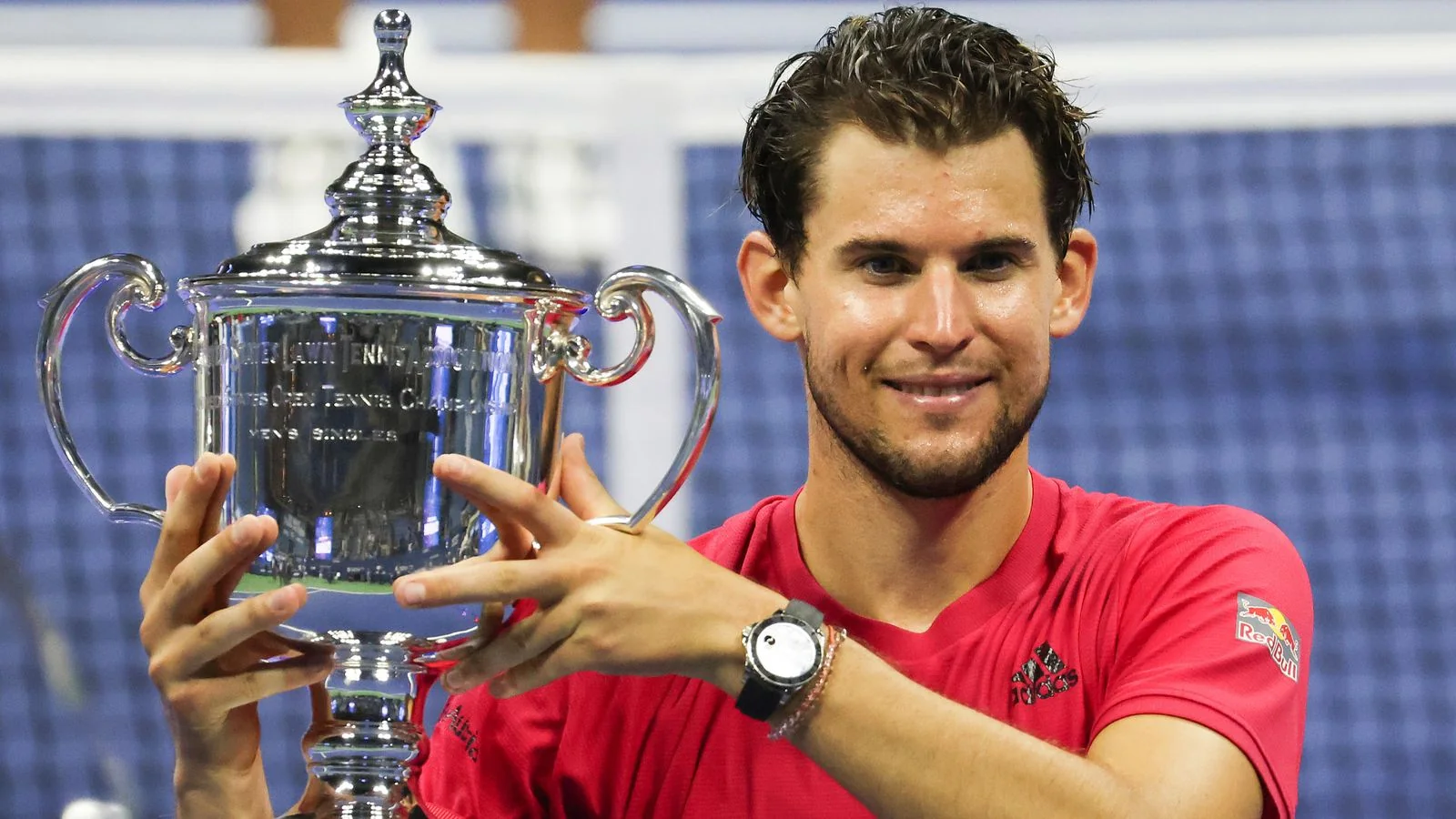
Who won the 2020 US Open?
Dominic Thiem won the 2020 US Open men's singles title, and Naomi Osaka won the women's singles title. Thiem defeated Alexander Zverev in five sets to secure his first Grand Slam championship. Osaka beat Victoria Azarenka in three sets for her second US Open singles trophy and third major overall. Both champions had to recover after losing the opening set; Thiem also lost the second.
The tournament ran from August 31 through September 13 at the USTA Billie Jean King National Tennis Center in New York. The four open senior singles and doubles finals produced these results, with scores shown from the champions' perspective:
| Competition | Champions | Runners-up | Final score |
|---|---|---|---|
| Men's singles | Dominic Thiem | Alexander Zverev | 2–6, 4–6, 6–4, 6–3, 7–6 (8–6) |
| Women's singles | Naomi Osaka | Victoria Azarenka | 1–6, 6–3, 6–3 |
| Men's doubles | Mate Pavic / Bruno Soares | Wesley Koolhof / Nikola Mektic | 7–5, 6–3 |
| Women's doubles | Laura Siegemund / Vera Zvonareva | Nicole Melichar / Xu Yifan | 6–4, 6–4 |
The parenthetical 8–6 in Thiem's result describes the points in the final-set tiebreak. The set itself finished 7–6. Keeping those two numbers separate helps when comparing scorecards: it was a five-set singles final ending in a standard tiebreak, rather than an additional match tiebreak replacing a set.
There was no mixed doubles champion in 2020. That competition, the junior events and qualifying were omitted from the pandemic edition. Wheelchair competitions did take place, and their champions are listed below. A winners list that supplies a 2020 mixed doubles pair is mixing years or events.
These results are recorded in the 2020 tournament archive. For a wider comparison, our US Open singles champions by year places Thiem and Osaka beside the winners before and after them. The useful distinction is between a player's first major, first New York title and repeat title: those describe different achievements even when the same trophy is involved.
How Thiem came back against Zverev
Thiem's victory was a recovery in several stages. Zverev controlled the opening two sets and broke for a 2–1 lead in the third. Thiem broke back immediately, kept the set within reach and took it when Zverev served at 4–5. Winning the fourth then forced a deciding set, but leveling the match did not settle the question of who would handle its final moments.
The official US Open final report identifies two historical firsts: Thiem became the first man in the Open era to win this final from two sets down, and the championship was decided by a fifth-set tiebreak for the first time.
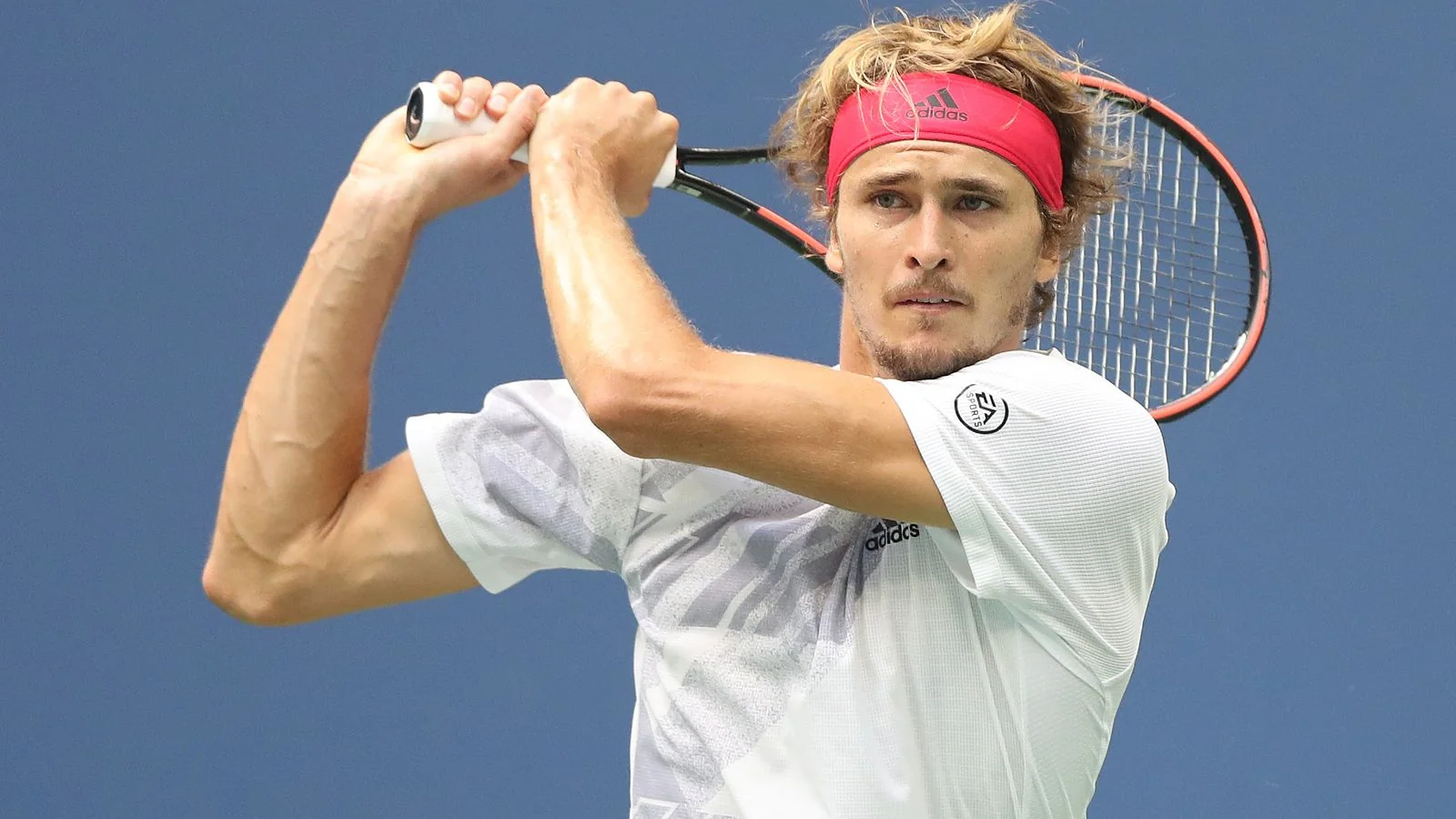
The fifth set and its historic tiebreak
Zverev served for the match at 5–3. Thiem recovered and later served for it himself at 6–5, only to lose that opportunity too. The tiebreak therefore followed two failed attempts to close the final with a service game. Thiem reached 6–4, lost both championship points and finally won on his third, when Zverev's backhand went wide.
The statistics explain why the finish felt so precarious. Thiem won 163 total points to Zverev's 159: just four points separated them across five sets. Zverev won a slightly higher share of first-serve points, yet committed 15 double faults. Those numbers, documented in Sky Sports' contemporary match report, show why a powerful serve and an early lead did not guarantee a secure finish.
Thiem's route to his first major
Before the final, Thiem advanced past Jaume Munar, who retired, then Sumit Nagal, Marin Cilic, Felix Auger-Aliassime, Alex de Minaur and Daniil Medvedev. Cilic was the only opponent to take a completed set from him before Sunday. Against Medvedev in the semifinal, Thiem won 6–2, 7–6, 7–6, surviving two tight sets without needing a fourth.
That route gives the final its contrast. Thiem had largely controlled his progress through the draw, then needed an entirely different kind of performance for the trophy. A title campaign can reward both efficient wins and one prolonged rescue; the last match does not need to resemble the earlier rounds. When revisiting the tournament, watch the third-set break back before jumping to the closing tiebreak. It is the point at which a match moving rapidly toward Zverev became a contest again.
How Osaka beat Azarenka for her second US Open title
Osaka fell behind 6–1, 2–0 before turning the women's final around. Azarenka's ability to redirect the ball made Osaka work for control of rallies, and the early score reflected that pressure. Osaka's response was measurable: according to the WTA's final report, she went from five winners and 13 unforced errors in the opening set to 16 winners and five errors in the second.
That improvement matters more than simply calling the result a comeback. She retained enough aggression to hurt Azarenka while cutting the mistakes that had made the opening set so one-sided. The match therefore offers a useful example of adjusting execution without abandoning an attacking game altogether.
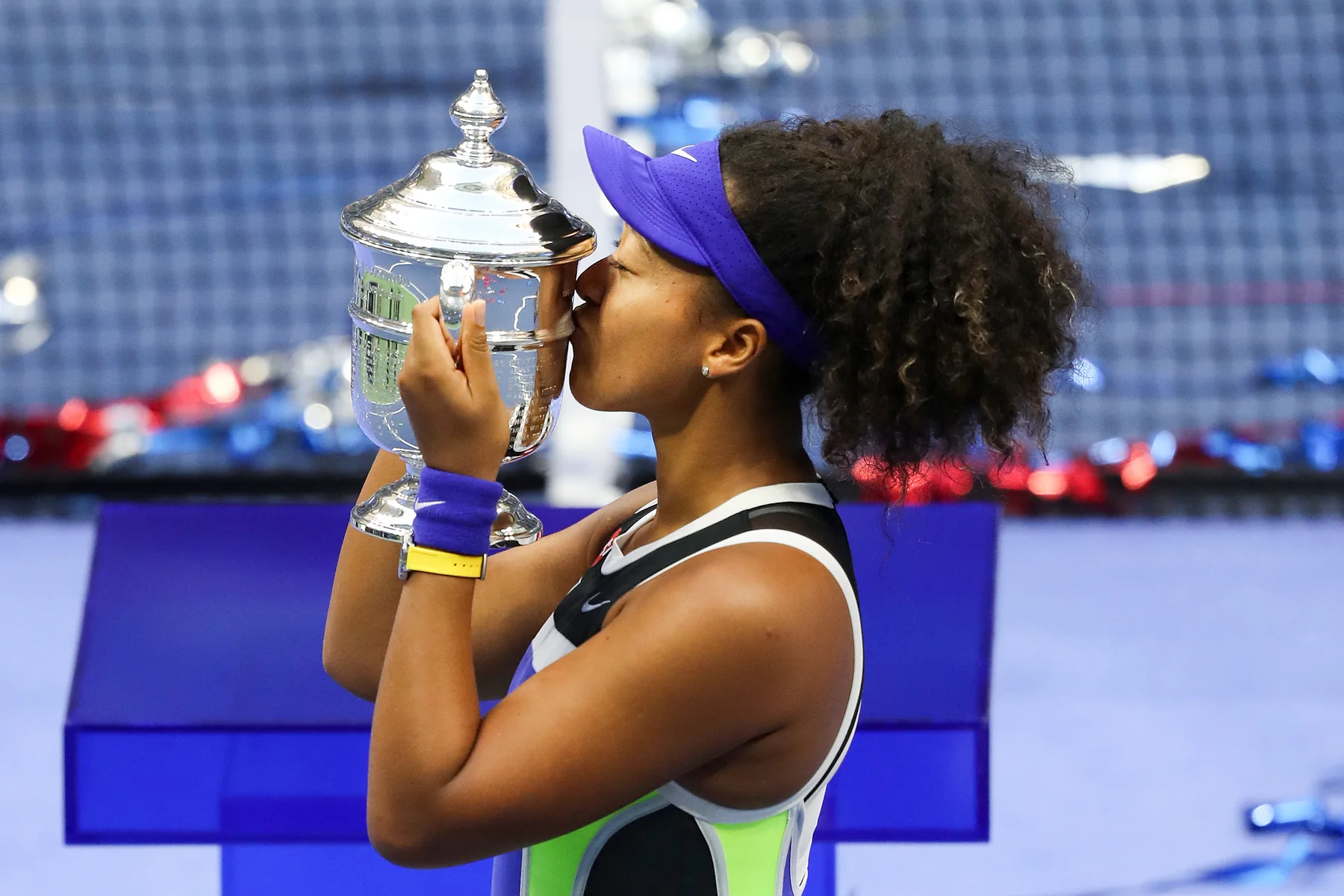
The decisive games in the final set
Osaka led 3–1 in the decider and escaped 0–40 on serve to move ahead 4–1. That hold created a cushion, but Azarenka continued to resist. She held and then broke back, reducing the gap to 4–3. Osaka answered by taking the final two games. The official final account makes clear that this was a sequence of reversals, rather than a single turning point followed by an easy finish.
Osaka became the first woman since Arantxa Sanchez Vicario in 1994 to win the US Open singles final after losing its opening set. Her victory also returned her to No. 3 in the world. She was the tournament's fourth seed, which is a separate label from her ranking; an old draw's seed number should not be read as a player's position in the rankings after the event.
Both finalists had already survived demanding semifinals. Osaka defeated Jennifer Brady 7–6 (7–1), 3–6, 6–3, while Azarenka beat Serena Williams 1–6, 6–3, 6–3. The WTA's final preview documents how their serving and returning strengths set up the contest. It also distinguishes this meeting from the Western & Southern Open final, which Osaka had withdrawn from with a hamstring injury. Azarenka's title there and Osaka's US Open title belong to separate tournaments, even though both events were staged in New York that season.
For readers following their wider careers, our current US Open player directory offers a starting point. Its present-day entries and seeds should be kept separate from the historical field described here.
Doubles and wheelchair champions in 2020
The doubles competitions rewarded two unseeded partnerships. That description concerns their position in the draw, rather than a lack of championship experience. Several of the eventual winners already knew what it took to win a major with another partner or in another event.
Pavic and Soares win the men's doubles
Mate Pavic and Bruno Soares beat Wesley Koolhof and Nikola Mektic 7–5, 6–3. For Pavic it was a first US Open men's doubles title; for Soares it was a second, following his 2016 win with Jamie Murray. Pavic had previously won the Australian Open men's doubles with Oliver Marach in 2018. Their lack of a seed therefore concealed substantial experience of major finals.
The men's doubles draw archive also shows why partnership names matter when reading past results. A player can appear repeatedly in a champions list with different teammates. Searching only for Soares' previous title, for example, would not identify the partner beside him in this particular final.
Siegemund and Zvonareva win the women's doubles
Laura Siegemund and Vera Zvonareva won the first tournament they played together. Their 6–4, 6–4 final victory over Nicole Melichar and Xu Yifan completed a run that included wins over Sofia Kenin and Victoria Azarenka, then defending champions Elise Mertens and Aryna Sabalenka. The WTA's review of their title run records how quickly the partnership developed during the event.
Siegemund had already won the US Open mixed doubles in 2016. That earlier success is easy to confuse with 2020 when searching for her trophies, but these were different competitions and different partnerships. Her 2020 title belongs in the women's doubles column beside Zvonareva.
The six wheelchair titles
The wheelchair champions were:
- Men's singles: Shingo Kunieda.
- Women's singles: Diede de Groot.
- Quad singles: Sam Schroder.
- Men's doubles: Alfie Hewett and Gordon Reid.
- Women's doubles: Yui Kamiji and Jordanne Whiley.
- Quad doubles: Dylan Alcott and Andy Lapthorne.
Kunieda defeated Hewett in a deciding-set tiebreak, while Kamiji and Whiley beat Marjolein Buis and de Groot for the women's doubles title, as the ITF's contemporary report records. A singles runner-up could therefore still leave New York with a doubles trophy.
Schroder supplied another striking comeback story. On his Grand Slam debut, the 20-year-old beat Alcott 7–6, 0–6, 6–4 in the quad singles final after losing their earlier round-robin meeting. The ITF's final account explains that reversal. In a round-robin event, an earlier defeat does not necessarily eliminate a player; reaching the final creates a new opportunity against the same opponent.
Why the 2020 tournament looked different
The empty spectator seats were a defining feature of the pandemic edition. The US Open took place without fans on site, while the Western & Southern Open was relocated to the same New York complex immediately beforehand. The USTA's original announcement describes the plan to centralize competition and reduce the number of people present.
The singles draws still contained 128 players each. Men's and women's doubles were reduced from 64 teams to 32, while the US Open qualifying tournament was not held. Mixed doubles and junior competitions were also absent. Wheelchair tennis ultimately remained part of the event, so an early planning report should not be used as the final record of which trophies were awarded.
Those distinctions help when reading archives. A smaller doubles draw meant fewer rounds, but the singles champions still advanced through a full 128-player bracket. The lack of qualifying explains why the entry pathways look different. It does not mean the US Open itself was canceled or that the results belong to the preceding warm-up tournament.
Several leading players were missing. Defending men's champion Rafael Nadal chose not to travel amid pandemic concerns. Roger Federer was recovering from knee surgery and did not play. Reuters' August report documents those absences. Neither was eliminated by Thiem during this title run.
Novak Djokovic did enter, but was defaulted from his fourth-round match against Pablo Carreno Busta. After losing serve to trail 6–5 in the first set, he hit a ball that struck a line umpire in the throat. The US Open's explanation of the ruling records the referee's agreement that Djokovic had not intended to hit her; the dangerous action and its result nevertheless led to an immediate default.
A default should be read differently from a retirement or a completed defeat. The match ended through an officiating decision, rather than the players reaching a normal winning score. That explains the unusual notation in the 2020 bracket and Carreno Busta's advancement. For another edition, use our current men's singles draw, checking its year before comparing opponents or rounds with this historical account.
How much prize money did the 2020 winners receive?
Thiem and Osaka each earned $3 million in singles prize money. Zverev and Azarenka each received $1.5 million as runners-up. The men's and women's doubles champions received $400,000 per team, while each runner-up team received $240,000. All amounts here are historical US dollars for the 2020 edition.
The WTA's official prize breakdown lists the singles amounts by finishing round:
| Singles finish | Prize per player |
|---|---|
| Champion | $3,000,000 |
| Runner-up | $1,500,000 |
| Semifinal | $800,000 |
| Quarterfinal | $425,000 |
| Round of 16 | $250,000 |
| Round of 32 | $163,000 |
| Round of 64 | $100,000 |
| Round of 128 | $61,000 |
These are finishing-round awards. A champion's singles total is the champion amount, rather than the sum of every row passed along the way. Similarly, the doubles figure applies to the pair. Dividing $400,000 equally would produce $200,000 for each partner before considering any individual arrangements or deductions; it would not give each player a separate $400,000 award.
The headline compensation figure was approximately $53.4 million. The USTA's August 5 announcement, reproduced by Tennis TourTalk, included $7.6 million directed toward player relief. That combined $6.6 million in additional grants and subsidies with a previously contributed $1 million. As a result, the headline package should not be treated as money paid only to players according to their position in the final draws.
The allocation also explains why a year-to-year comparison needs more than the champions' checks. First-round singles money rose from $58,000 to $61,000 even as the event operated under exceptional restrictions. Different parts of the player field were affected differently, and a tournament-wide total cannot describe every player's change in earnings.
For current match outcomes, use our latest US Open results. For this edition, retain the year alongside every statistic: 2020 prize money, 2020 draw size and 2020 final scores belong together. That keeps a historical comparison from accidentally combining one season's champion with another season's financial table or competition format.
Loading comments…