When Do 2026 US Open Tickets Go on Sale? Amex Presale and Public Sale Dates
The verified 2026 US Open ticket on-sale timeline, including the Amex presale, public sale and practical options for fans buying later.
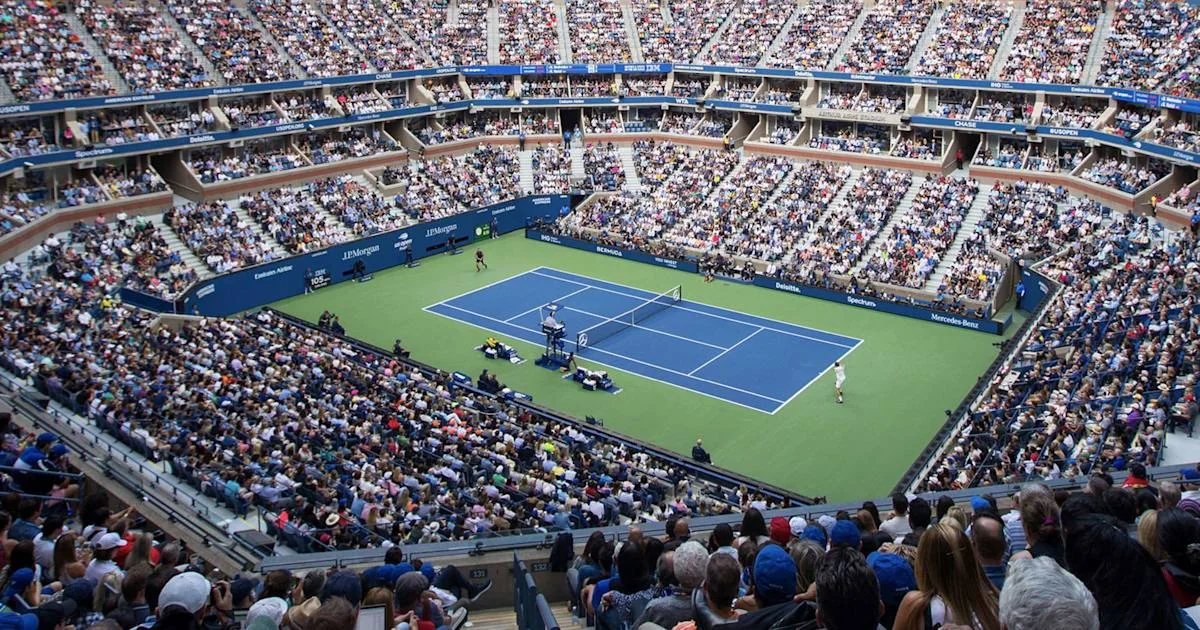
The 2026 US Open Amex presale opened May 26 at 9:00 a.m. ET, and public tickets went on sale May 28 at noon ET. Both launch dates have passed, so fans searching now should use the official live inventory rather than wait for another general on-sale. Here is the precise timeline, the concluded Amex rules and the safest post-sale plan.
The Exact 2026 US Open Ticket On-Sale Timeline
2026 US Open tickets first went on sale through an American Express presale at 9:00 a.m. ET on Tuesday, May 26; public sales opened at noon ET on Thursday, May 28. The Amex window ended at 11:59 p.m. ET on Wednesday, May 27, or earlier for inventory that sold through. As of August 26, both launch windows are past and the official US Open page says individual tickets are on sale to the general public.
| Stage | Opened | Ended | Meaning now |
|---|---|---|---|
| Amex presale | May 26, 9:00 a.m. ET | May 27, 11:59 p.m. ET | Closed |
| Public on-sale | May 28, 12:00 p.m. ET | No single universal cutoff | Live, subject to inventory |
| Verified resale | Listings appear as holders sell | Varies by session | Live and price-variable |
The wording “go on sale” is easy to mistake for a one-day event. May 28 was the release time for public primary inventory, not a deadline after which legitimate tickets disappeared. Some sessions retain standard tickets; others are represented mainly by verified resale; fresh seats can also return as plans, holds or production allocations change. The live seat map, therefore, is more useful today than a screenshot of the May launch.
Start with the 2026 US Open schedule, choose a date and day/evening session, and only then compare current inventory. The full event runs August 23-September 13, while main-draw singles begins August 30. That distinction prevents a second common error: buying a Fan Week event when the intent was main-draw singles, or buying an evening session when the desired player may appear during the day.
All times above are Eastern Time, the local New York time zone. Fans planning from Europe, Asia or the U.S. West Coast should convert the launch time before any future sale, but there is no reason to convert it now: the actionable answer is that public sales have already opened. What matters today is authenticity, access rights, session fit and the all-in price.
Who Qualified for the Amex Presale and What Were the Limits?
The broad 2026 Amex presale was open to American Express Card Members, including holders of cards issued outside the United States, but prepaid Amex cards were excluded. Buyers had to complete payment with an eligible Amex card. This was early access to selected inventory, not a promise that every session, section or price level would remain available.
No separate advance registration was required for the standard Amex Presale Tickets offer. The official advice was to add the card to the Ticketmaster account before the window. If the purchase screen requested an unlock code, the instruction was to enter the 10-digit customer-service phone number printed on the back of the card. That detail mattered because fans sometimes confused the broad presale with Amex Preferred Tickets, a separate offer tied to eligible card products and selected seats.
2026 purchase caps
- Up to 8 tickets per day session.
- Up to 8 tickets per evening session.
- No more than 16 total session tickets per tournament date, counting presale and public-sale purchases together.
- Up to 8 Grounds Admission passes per date, again counting across presale and public sales.
Those caps were anti-hoarding limits, not an allocation. A cardholder entitled to request eight seats could still find only singles, higher-priced locations or no primary inventory in a sought-after session. Nor did “presale” automatically mean discounted. The ticket seller, promoter and venue set prices and fees; the Amex benefit was the earlier opportunity to purchase.
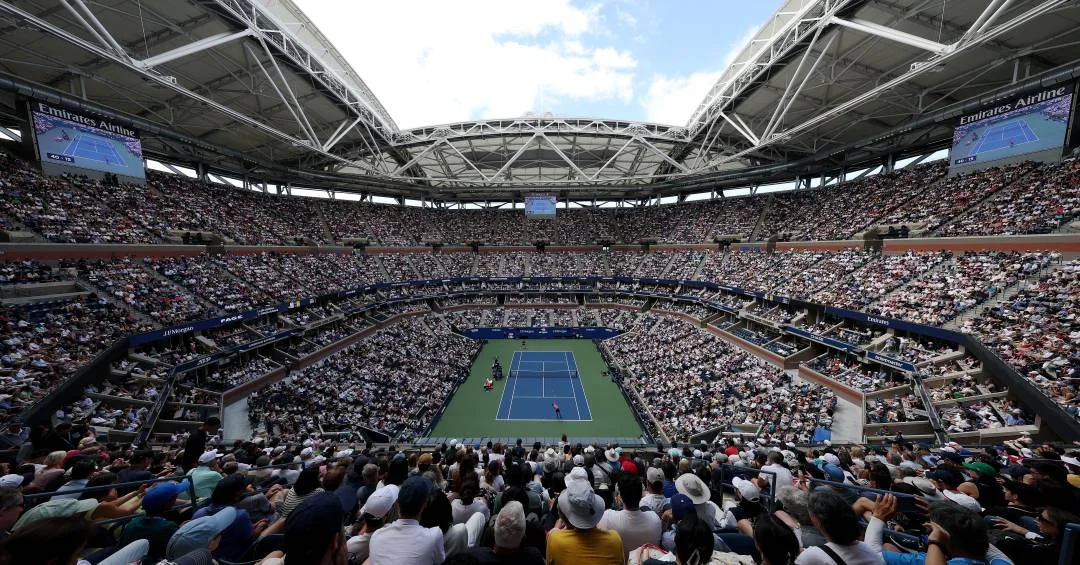
The limits also show why planning by date matters. A buyer considering a day and night double-header could remain within the rules, while a large group spanning several sessions could run into the aggregate cap. Comparing each intended visit on the US Open calendar before the queue was more useful than improvising at checkout. These provisions describe the concluded 2026 window; fans should not assume an identical card list, code method or cap in a future year.
How the Public Sale Worked—and Why Preparation Mattered
The public sale opened at noon ET on May 28 with ticketed events across the three-week US Open offered to general buyers, subject to supply. The decisive preparation was not refreshing fastest; it was knowing which dates, venues and price levels were acceptable before live inventory appeared. A buyer making those decisions in the seat map was competing with buyers who had already ranked their choices.
In May, the singles draw and daily Order of Play did not exist. Nobody could legitimately promise that a favorite would appear in a specific first-round Ashe day session. The most informed approach was to buy tournament structure: opening rounds for match volume, Labor Day weekend for atmosphere, quarterfinals for stronger matchup certainty, or finals for a fixed championship occasion. Our Order of Play becomes essential closer to the event, but it cannot retroactively turn a presale ticket into a player guarantee.
Good launch-day preparation
- Signed-in account with current mobile number and payment method.
- Two or three ranked dates, not one all-or-nothing target.
- A stadium hierarchy: Ashe, Armstrong, Grandstand or Grounds.
- An all-in per-ticket ceiling including fees.
- Agreement on whether split rows or fewer seats were acceptable.
Bad launch-day shortcuts
- Assuming “night” guarantees the biggest name.
- Buying a grounds product expecting Ashe entry.
- Judging affordability from a pre-fee display.
- Opening duplicate account paths without understanding queue rules.
- Abandoning a suitable seat while searching indefinitely for perfection.
The USTA encouraged sign-ups for US Open Insider and SMS alerts because high-demand sessions were expected to move quickly. Alerts are most valuable before a release; after the public launch, they remain useful for special events and inventory announcements. They should be treated as notifications, not a preferred-seat guarantee.
One tennis-specific principle improves the decision: back up the experience, not merely the seat. If a women's semifinal is unaffordable, the nearest row in the same session may not solve the budget problem; an Armstrong day in the third round might deliver more close-range elite tennis. If the only goal is a final, by contrast, substitutes are not equivalent. Knowing which desire is flexible prevents the pressure of an on-sale clock from making the choice for you.
Can You Still Buy Tickets After the On-Sale Date?
Yes. Fans can still buy 2026 US Open tickets after the May launch through the official Ticketmaster flow, using remaining primary seats or clearly identified verified resale listings. The on-sale date marked the first public release, not the final buying day. The official US Open ticket page currently directs fans to live inventory and cautions against unverified third-party sources.
Primary and resale seats may appear beside each other, so read the listing label and all-in total. A standard ticket is inventory sold by the event; a verified resale ticket is offered by an existing holder through the official marketplace. Both can produce a valid mobile credential, but their prices and some policy protections can differ. Authentication answers “is this ticket valid?” It does not answer “is this a good deal?”
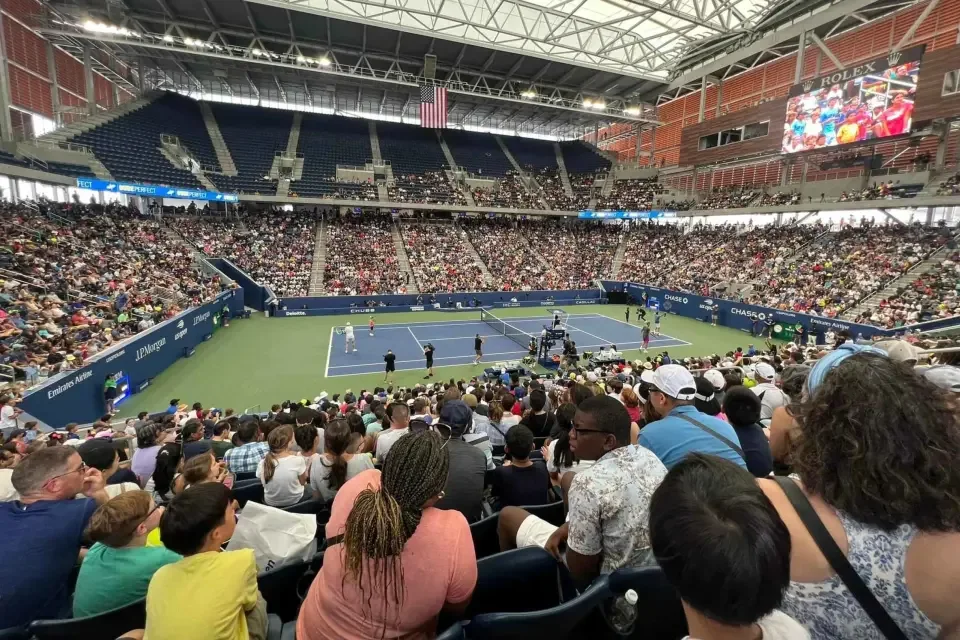
Waiting carries a real trade-off. The draw and Order of Play remove uncertainty, making a session more valuable when a favorite is assigned. That same information can increase demand and price. A losing favorite can also reduce interest in a future session, while a compelling American run can do the opposite. There is no dependable rule that resale drops near match day. The rational buyer sets a ceiling and acts when the session provides sufficient tennis value at that total.
Ticketmaster's current guide says last-minute inventory may remain available, subject to supply, even after play begins. That is useful for a local fan already in Queens, but it is not a sound foundation for flights or a once-a-year trip. Travelers should secure the non-negotiable session earlier; flexible locals can monitor several dates and use the today schedule to identify overlooked Armstrong, Grandstand or grounds opportunities.
Avoid private screenshots, payment requests outside a protected platform and claims that a static barcode proves ownership. US Open tickets use mobile access, and screenshots are not accepted at entry. A seller saying “I will transfer later” is asking the buyer to bear delivery risk. The official marketplace removes much of that risk and gives a clearer route to support if the event changes. Missing the presale may cost choice; it should not cost common sense.
Which Ticket Should You Target Once the Draw Is Known?
Once the draw exists, target the cheapest ticket that guarantees the court access you cannot compromise on. Do not rank products only by face value. A Grounds Admission ticket can be brilliant when dozens of meaningful singles matches occupy the outer courts; it can be a poor route to championship singles once the surviving draw is concentrated in Arthur Ashe Stadium.
For the first three rounds, mobility has unusual value. Grounds Admission provides first-come access to Louis Armstrong, Grandstand and the field courts, but never Ashe. A reserved Armstrong or Grandstand ticket adds a protected seat in that named stadium while keeping broader grounds access. An Ashe day seat goes further: it protects the marquee court and still lets the holder roam general-admission areas. If two products cost roughly the same, compare the access ladder before assuming “grounds” means more freedom.
| Fan priority | Best target | Reason |
|---|---|---|
| See one top seed assigned to Ashe | Correct Ashe session | No other product admits the holder to Ashe |
| Watch many early-round matches | Grounds, Grandstand or Armstrong day | Large field creates choice outside Ashe |
| Secure close views with a fallback | Armstrong or Grandstand reserved | Assigned anchor plus access to smaller courts |
| Attend a singles final | Ashe final session | Championship match is scheduled there |
The official product windows reinforce this shift. Grandstand reserved tickets run through September 5, Armstrong through September 7, and Grounds Admission through September 8. Ashe continues through the September 12 women's final and September 13 men's final. Inventory narrows because the competition itself narrows.
Use the live US Open draw to see whether a player has advanced and which half of the bracket is active, then confirm the specific session in the Order of Play. A draw projection is not a ticket assignment. Players can lose, withdraw or be scheduled in the other half of a day/night split. Once assignment is official, greater certainty is valuable—but every other fan receives the same information, so desirable listings may reprice quickly.
The final check is duration. Day sessions usually offer more total court hours, while night sessions concentrate spectacle into fewer matches. If you have only one visit and love the entire sport, buy breadth. If one match is the purpose of the trip, buy the access that makes that match possible.
A Better Plan for the Next US Open Ticket Release
For the next release, prepare a decision ladder before the official date is announced: alerts first, account readiness second, ranked sessions third and a hard all-in price ceiling last. Do not project the 2026 dates onto 2027. The reliable signal will be a new USTA announcement, and the official 2026 guidance specifically recommended US Open Insider and SMS alerts for release news.
The seven-day preparation routine
- Confirm the announcement on USOpen.org, including time zone and product scope.
- Sign into the ticketing account and verify email, phone and payment details.
- Convert the opening time to your location and block uninterrupted time.
- Rank at least three session/date combinations on the US Open calendar.
- Write a venue minimum: Ashe required, reserved anchor acceptable, or Grounds acceptable.
- Set an all-in maximum per ticket and a group rule for split seating.
- Keep verified resale as a controlled fallback, not a panic purchase.
The session ranking should reflect tennis logic. Early-round day sessions are the broadest hedge because even if a preferred player lands elsewhere, the grounds hold many meaningful matches. A semifinal or final is a narrower objective; if that occasion is the point, a different early-round seat is not a true substitute. Write that distinction before the queue so emotion does not blur it.
Account preparation is equally practical. Use one identity consistently, make sure text verification reaches the current phone, and understand which card is required for a card-member offer. If a group can accept separate rows, decide in advance who may approve the split. Every unanswered question adds seconds at checkout, but the answer is not to click recklessly: venue, date and session errors are difficult to undo.
Finally, treat resale as a market, not a rescue fantasy. It can provide authentic seats after primary inventory thins, and subscribers may list sessions they cannot attend. Prices can rise or fall as the draw develops, with no guaranteed late drop. Monitor several acceptable sessions and compare access, not just row. The objective is a day of tennis you will value at a total you can afford—not the psychological victory of buying in the first minute.
For 2026, there is no next launch to wait for: public sales are already open. Use this preparation framework only for future official announcements, and use today's live official inventory for this tournament.
The short answer is settled: May 26 for eligible Amex buyers, May 28 for the public, and official live sales now. What separates a good purchase from a rushed one is session literacy—knowing the date, court access, round and acceptable total before selecting a seat. Keep future dates provisional until the USTA announces them.
Loading comments…