US Open Tennis Ticket Prices 2026: Sessions, Packages, Fees and Best Value
Understand 2026 US Open ticket prices, fees, session differences, packages and the best-value choices for a realistic all-in budget.
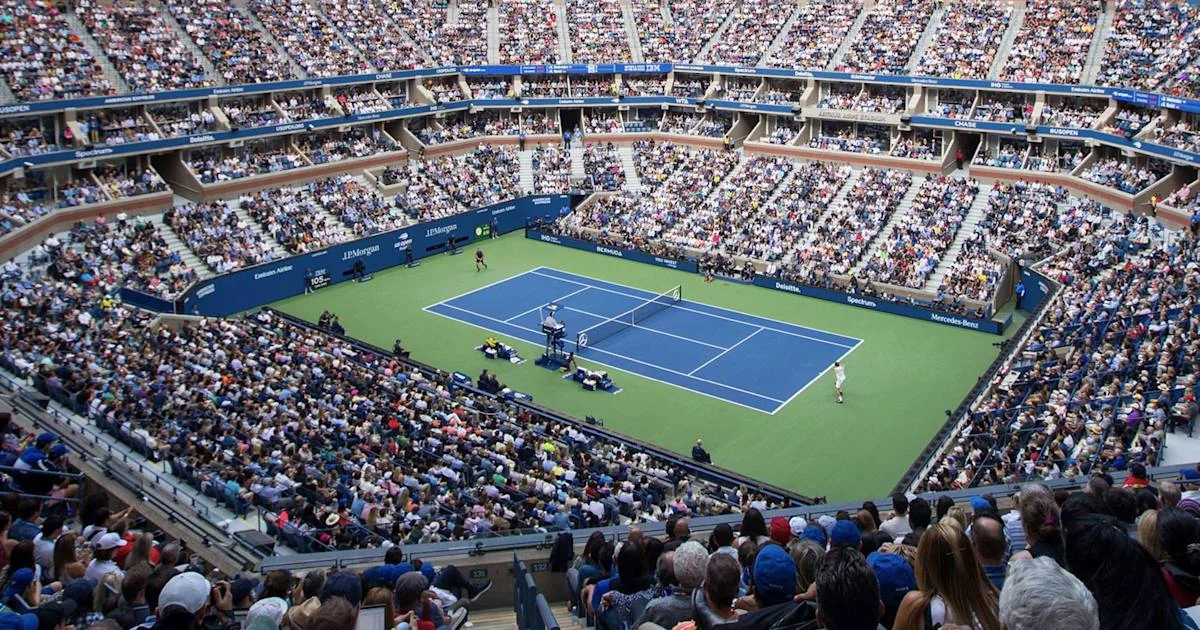
The advertised price is only the start. This fan-first guide explains what official 2026 price floors mean, why two seats for the same day can move in opposite directions, and how to judge the final checkout total like an experienced New York tennis buyer.
Quick read:
Official published starting prices are useful orientation, not a promise that your preferred seat will appear at that number. Compare the same session and seat zone, use the all-in total, and treat resale as a live market.
What Do 2026 US Open Tickets Cost?
Ticketmaster publishes 2026 starting prices of $43 for Arthur Ashe Stadium, $139 for Louis Armstrong Stadium, $180 for Grandstand and $65 for Grounds Admission. Those numbers are price floors across different dates, seat locations and inventory moments—not a promise that a fan opening the live map today will find that amount for the desired session.
| Product | Published “as low as” | What the ticket anchors | Critical limit |
|---|---|---|---|
| Arthur Ashe | $43 | Assigned Ashe seat plus broad grounds access | Only the named day/evening Ashe session |
| Louis Armstrong | $139 | Assigned Armstrong seat plus lower courts | No Ashe admission |
| Grandstand | $180 | Assigned Grandstand seat plus lower courts | Early-round day product; no Ashe |
| Grounds Admission | $65 | First-come access outside Ashe | No reserved seat and no Ashe |
Ashe appearing cheaper than Armstrong or Grandstand is not a ranking of experience. Ashe has a vast upper Promenade, where the lowest inventory can sit far from the court. Armstrong and Grandstand are smaller, so their cheapest reserved location may offer a closer sightline. A $43 theoretical Ashe seat and a $139 Armstrong seat are not substitutes if one buyer wants a marquee star and another wants to read return position from close range.
The only honest current quote is the final total shown for a specific listing at a specific moment. Before comparing, fix date, session, stadium, section and quantity. Then check whether the listing is Standard or Verified Resale. A seller controls resale price, and it can exceed what the original buyer paid. Never mix an upper-level standard floor with a lower-bowl resale price and call the difference a markup.
Use the 2026 schedule to identify the round attached to each date. A first-round day ticket buys access to a dense grounds program; a final ticket buys a single championship occasion. The dollar figure has meaning only after the tennis product is defined.
Why Prices Change by Session, Round and Seat
US Open prices move because each ticket combines four scarce things: a date, a session, a venue and a seat—and then the draw adds player demand. Ticketmaster identifies tournament round, day versus evening, venue and seat location as major price variables. The USTA also says single-session tickets are subject to dynamic pricing based on market demand.
Round creates the broadest curve. Opening days have far more matches and ticket products, so the grounds distribute demand. Finals weekend has one men's and one women's singles championship in Ashe, concentrating global interest. Yet “later always costs more” is too crude: a first-week holiday evening with a superstar assignment can outprice a less fashionable quarterfinal, while an early upper-Ashe listing can undercut a popular Grounds pass.
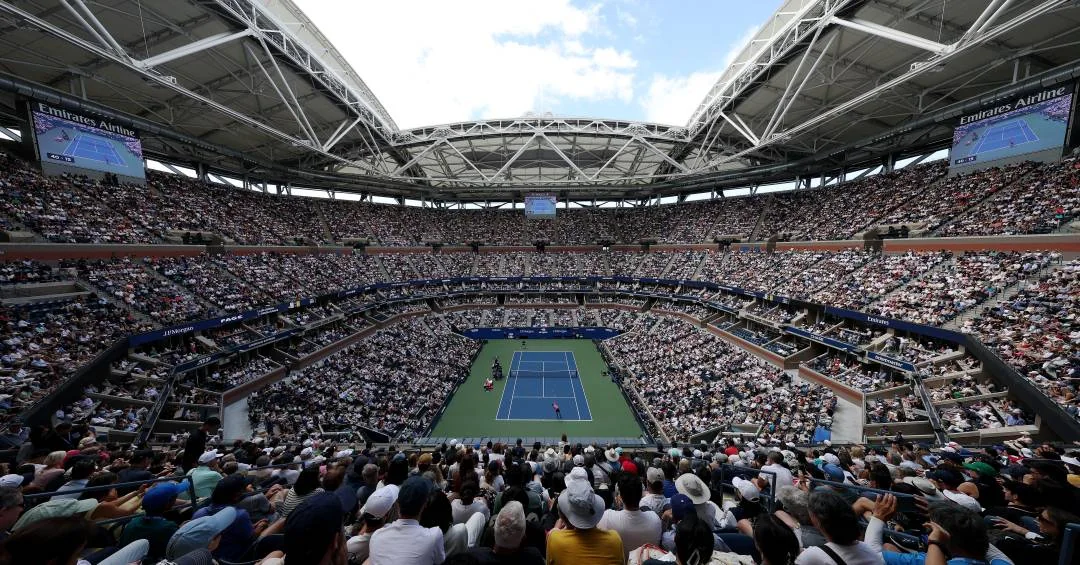
Day and evening also buy different quantities. In the early rounds, day admission opens a much larger menu across the grounds and generally gives the best chance to watch several complete matches. Evening tickets enter later and center on a smaller prime-time stadium program. A buyer valuing total points should calculate price per usable hour; a buyer wanting the electric night atmosphere may rationally pay more for less tennis.
Seat position is not one scale across stadiums. The top of Ashe provides guaranteed access to the sport's biggest stage, but players can look small. A similarly priced Armstrong or Grandstand reserved seat may sit much closer and expose tactical detail: return depth, split step, court positioning and the speed of a heavy forehand. “Better” depends on whether the subject is celebrity certainty or match-reading quality.
Finally, the Order of Play changes what buyers know. Before assignment, a session is a bundle of probabilities. After assignment, it contains named players and matchups, and the market can react. An injury, upset or American run can move later-session demand again. No chart can guarantee direction, so establish value before the information arrives: acceptable players, minimum court access, seat ceiling and maximum total.
Fees, Resale and the All-In Price That Actually Matters
Budget from the all-in per-seat total, not face value, a search snippet or the seller's payout. Ticketmaster says the U.S. price displayed upfront includes face value and required fees, generally before taxes. The buyer can still see a breakdown, and taxes or optional delivery choices may affect the final checkout.
This makes comparison easier, but only if the seats are comparable. Standard Tickets are event inventory; Verified Resale Tickets are existing tickets listed and priced by holders. Resale can sit above or below original face value and is labeled before purchase. A $250 resale seat in Ashe Promenade is not automatically a bargain beside a $500 standard seat near the baseline; it may simply be a different view.
Use this five-column comparison
- Session: same date and day/evening program.
- Access: Ashe, Armstrong, Grandstand or Grounds rights.
- Location: section, row, angle and roofed anchor.
- Listing: Standard or Verified Resale.
- Total: amount charged per person after required fees and applicable tax.
“Verified” addresses validity through the official marketplace. It is not a statement that the seller's asking price is reasonable, that the listing equals face value or that the market will not move tomorrow. The USTA warns buyers about other brokers and says its Ticketmaster-powered marketplace is the only secondary site where purchases are authenticated and verified by its official partner. That security has value, particularly for mobile delivery and support, but it should not erase price discipline.
For last-minute buying, open the today schedule and place a number on the actual program. If a star has withdrawn or the most interesting match is in Armstrong, yesterday's price intuition is stale. Conversely, a newly confirmed blockbuster may justify a premium to a fan whose trip was built around it.
Add non-ticket costs before declaring a seat affordable: transit, food, lodging and the opportunity cost of a late finish. A cheaper evening ticket can become expensive if it forces a taxi or hotel night; an early-round day ticket can justify a higher total if it provides twelve hours of court access. The strongest metric is not lowest entry price. It is total trip cost divided by the tennis experience the ticket reliably unlocks.
The Best-Value Ticket for Each Kind of Fan
The best-value ticket is the least expensive product that protects your main objective while preserving useful alternatives. That answer differs for a fan hunting five matches, a parent promising one superstar, a tactics obsessive who wants close sightlines and a traveler who cannot risk a rain-empty day.
The match hunter
Target an early-round day product. Grounds Admission is built for roaming Armstrong, Grandstand and field courts. But compare its live price with upper Ashe, Armstrong and Grandstand reserved: a reserved day seat can include comparable roaming plus a protected anchor.
The star seeker
Wait for assignment when possible, then buy the correct Ashe session if the player is scheduled there. Grounds access cannot substitute. Before assignments, spreading risk across several opening sessions is more rational than overpaying for one guess.
The close-view analyst
Armstrong or Grandstand reserved often delivers a stronger visual education than distant Ashe: serve shape, return position and recovery steps are easier to read. The trade-off is no Ashe access.
The one-day traveler
A roofed Ashe or Armstrong day seat buys weather resilience and a guaranteed place to reset. The premium may be worthwhile when there is no second chance.
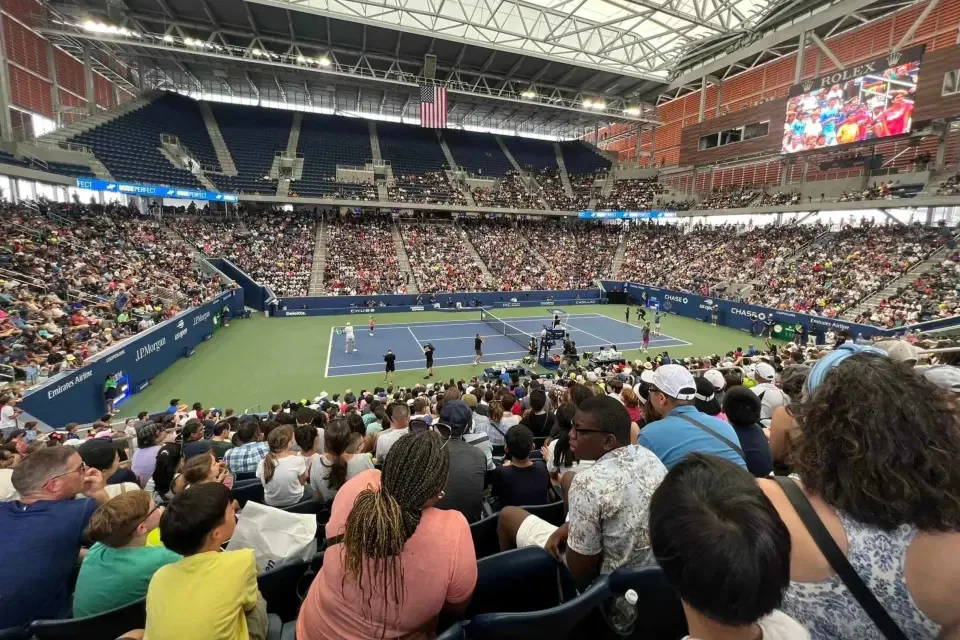
Timing changes the hierarchy. In rounds one through three, the large singles draw produces outer-court depth. By the quarterfinal stage, surviving marquee singles is concentrated in Ashe, so Grounds value comes increasingly from doubles, juniors, wheelchair competition and the broader event rather than men's/women's singles centerpieces.
Compare every live product on three metrics: guaranteed seat, accessible courts and plausible match hours. Divide the all-in cost by hours only if you truly plan to use them; a twelve-hour day is not value to someone who can stay four. The winning choice is personal but not vague: write the objective, quantify the constraints and buy the product that satisfies both.
Packages, Purchase Timing and a Smarter Budget
A sensible US Open budget begins by deciding whether you are buying tennis access or a hosted experience. A regular reserved ticket buys a particular stadium seat for a particular session, plus the access attached to that ticket type. US Open Premier products can bundle very different benefits: premium clubs, dedicated service, dining, drinks, private space or a suite. That is why a hospitality quote should not be placed beside an upper-level Arthur Ashe ticket and treated as if the price gap buys only a better sightline. Some of that gap buys time, comfort and service. If those things are not important to your group, the package is not automatically an upgrade.
Protect first
Ring-fence the session that would make the trip worthwhile: a specific final, a scarce evening, or the one day your group can attend.
Compare second
Compare the checkout total, not the first number in the listing. Keep the same session, venue and approximate seat zone in every comparison.
Add extras last
Only after admission is covered should you allocate money to food, merchandise, upgraded hospitality or a second session.
Timing should follow scarcity. Ticketmaster’s event guide says prices are typically lowest at the initial on-sale, but it also correctly avoids promising that every listing follows one curve. A marquee night session can tighten after the draw places a star there. A less fashionable early-round day session may retain choices. Waiting is therefore a bet on both inventory and matchup demand, not a magic discount strategy. Buy early when the date is fixed, the seat location matters, or missing the session would damage the trip. Waiting is more defensible when several day sessions work, you accept multiple stadiums and you can walk away if the all-in price never reaches your number.
Build the budget from the tournament outward. Start with the official US Open schedule, assign a round and session, then add transport, meals and a realistic contingency. For a two-person purchase, multiply the final per-ticket total before judging affordability; small fee differences become meaningful across several seats. For a multi-day trip, consider spending more on one priority session and using a Grounds Pass or high-value early-round seat on another day. That often delivers more live tennis than spreading the same money across two middling premium listings.
The editor’s rule
Pay for certainty where your trip needs certainty. Keep flexibility where the schedule provides substitutes. Never pay a hospitality premium unless you can name the included benefit you actually intend to use.
Loading comments…