Where Is the US Open Played? Flushing Meadows Location, Courts and Transport
A fan guide to the US Open location in Flushing Meadows, its main courts, subway and LIRR routes, entrances and day-of travel planning.
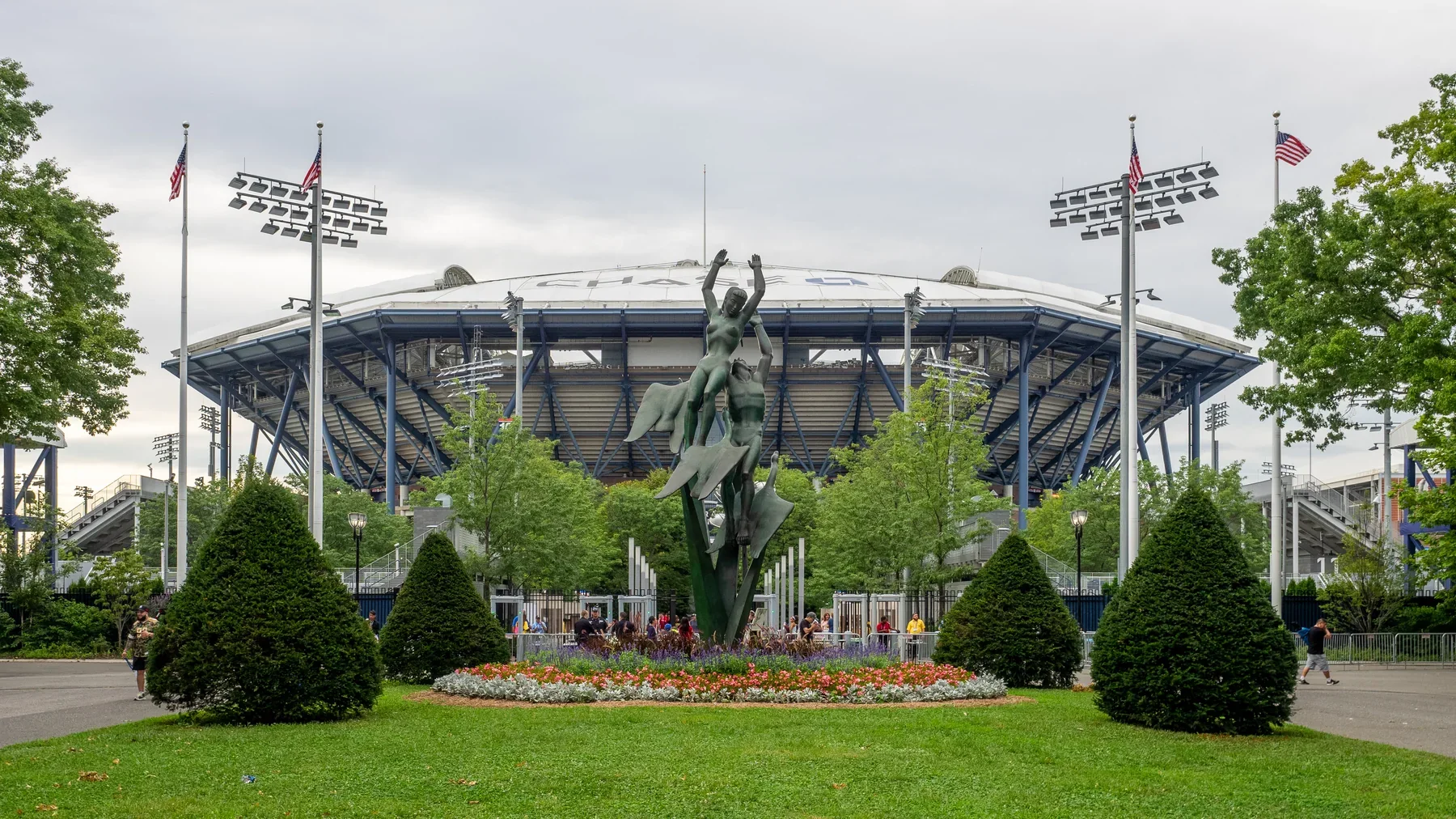
The US Open tennis location is the USTA Billie Jean King National Tennis Center in Flushing Meadows-Corona Park, Queens. Getting the address right is only the beginning: a good visit depends on understanding the court hierarchy, choosing the 7 train or LIRR intelligently, clearing the correct gate and building a route that leaves energy for the tennis.
Where Exactly Is the US Open Played?
The US Open is played at the USTA Billie Jean King National Tennis Center in Flushing Meadows-Corona Park, Queens, New York. The official GPS address is Flushing Meadows-Corona Park, Flushing, NY 11368. It is not a Manhattan arena, not the Forest Hills site used decades ago, and not the golf championship that shares the “U.S. Open” name.
The simplest city orientation is the Mets-Willets Point transit stop. Both the 7 subway and the Long Island Rail Road use that station name, and the tennis center sits a short event-day walk along the boardwalk. Citi Field is the other giant landmark in the same northern section of the park. Follow the tennis crowd and US Open signs rather than entering the baseball stadium's approaches by habit.
Location card
- Venue
- USTA Billie Jean King National Tennis Center
- Park
- Flushing Meadows-Corona Park
- Borough
- Queens, New York City
- ZIP
- 11368
- Nearest transit
- Mets-Willets Point
- US Open home since
- 1978
The tournament moved to this public-park campus in 1978, leaving the West Side Tennis Club in Forest Hills for a venue able to grow with the event. That shift still shapes the US Open's personality. Ashe can feel like a global mega-event, yet a few minutes' walk leads to field courts where spectators sit within earshot of players' footwork and tactical conversations.
The facility was renamed for Billie Jean King in 2006. Its full name matters: “National Tennis Center” can otherwise be confused with the USTA National Campus in Orlando, while “Flushing” alone can send an unfamiliar visitor toward the neighborhood's commercial center instead of the park's sports complex. Put the complete venue name into maps, then cross-check the route against Mets-Willets Point.
Outside US Open preparation and tournament closures, the National Tennis Center is a year-round public tennis facility. During the championship, however, ordinary court-rental assumptions do not apply. Access is governed by Fan Week passes, event tickets, session gates and security procedures. Always pair the address with the date on the US Open schedule.
Geographically, the venue is one connected campus but operationally it is a collection of stadiums, field courts, plazas, food areas and practice spaces. That distinction explains why “I made it to the US Open” does not mean “I made it to my seat.” Arriving at Mets-Willets Point is the end of the city journey and the beginning of the venue journey; allow time for the boardwalk, entry screening and the walk to your assigned court.
Which Stadiums and Courts Shape the Fan Experience?
Arthur Ashe Stadium is the US Open's main stage, but Louis Armstrong, Grandstand, Stadium 17 and the field courts often deliver the richer day for a tennis-first fan. The venue hierarchy controls more than prestige: it determines reserved seats, general-admission options, roof protection, walking time and how close you can get to the tactical details of a match.
Arthur Ashe is the largest stadium and the home of the biggest names, night-session theatre and singles championships. A 2026 Ashe ticket gives you an assigned seat there and first-come access to eligible general-admission areas in Armstrong, Grandstand and the field courts. That makes Ashe the broadest access product, not merely one stadium reservation. The trade-off is scale: an upper seat provides a superb geometric view of patterns but less sense of ball speed and player communication.
Louis Armstrong is the second stadium and the connoisseur's compromise. Rebuilt in 2018 with roughly 14,000 seats and a retractable roof, it brings the upper levels closer to the court than Ashe while still hosting major seeds and heavyweight clashes. A reserved Armstrong ticket does not admit you to Ashe, but it protects the assigned seat and includes access to other eligible courts. Grounds Admission can also reach Armstrong's general-admission areas on a first-come basis.
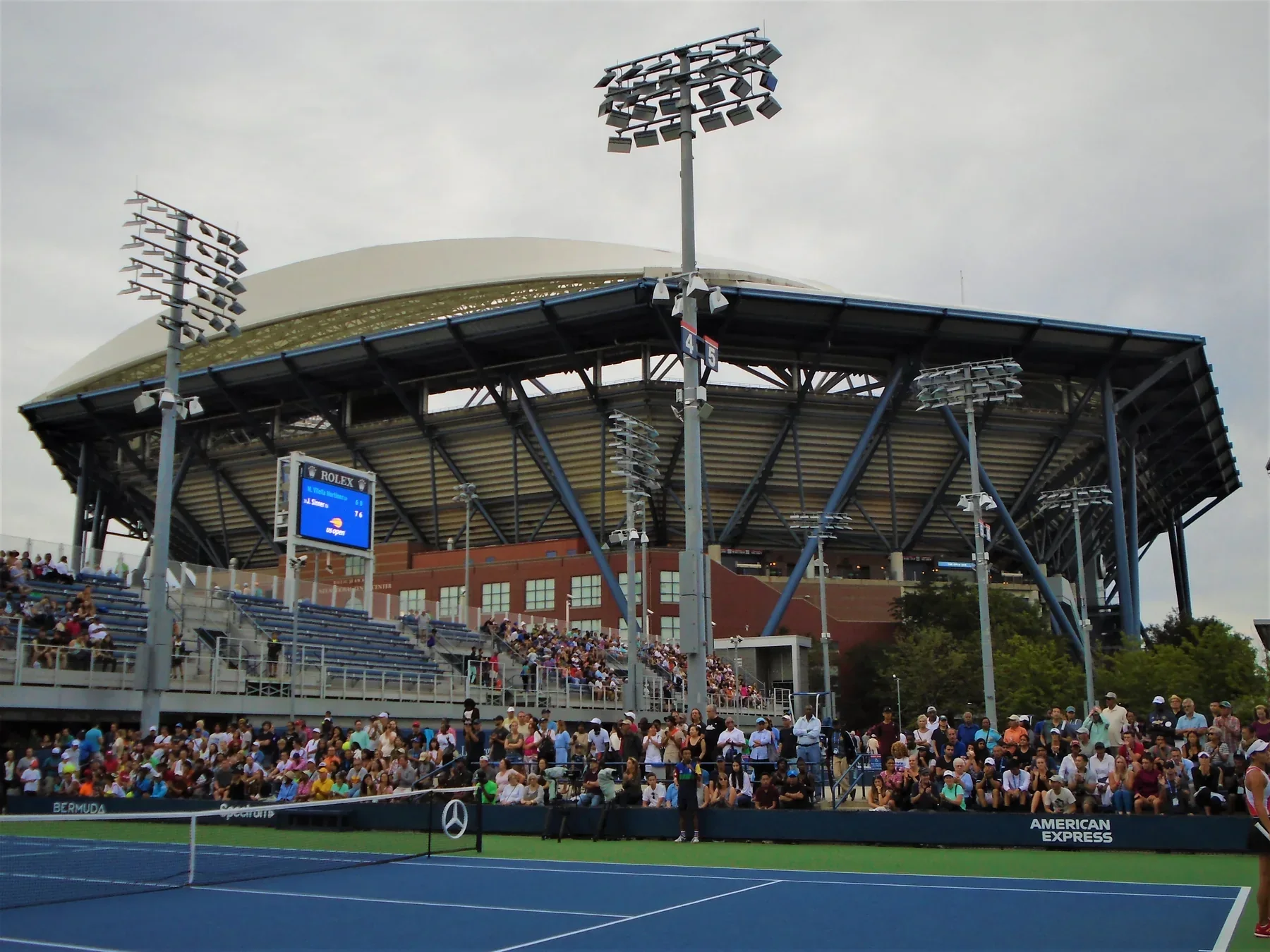
Grandstand, the third-largest stadium, has an open-air bowl and a reputation for lively matches whose quality can exceed their billing. Reserved Grandstand products guarantee a seat during the first week; otherwise available general-admission sections reward fans who arrive before a popular matchup. Stadium 17 is more enclosed and intimate, with the playing surface set below the surrounding walkways. The acoustics and low angles make power feel immediate.
The numbered field courts are where the tournament becomes legible. You can watch return position, coaching-box reactions and the wear in a player's movement without a giant screen. In qualifying and the first main-draw rounds, several matches may sit within a short walk. That creates a productive scouting loop: one set at a seeded player's court, a changeover walk to a qualifier, then doubles or junior action later in the event.
| Court | Best for | Critical access point |
|---|---|---|
| Arthur Ashe | Headline stars, roofs, finals atmosphere | Only an Ashe-specific ticket includes entry |
| Louis Armstrong | Major matches with closer sightlines | Reserved and first-come areas differ |
| Grandstand | Open-air energy and strong first-week cards | Popular general-admission sections can fill |
| Stadium 17 | Intimate sunken-court atmosphere | First-come seating rewards early arrival |
| Field courts | Close-up scouting and court hopping | Weather exposed; assignments change daily |
Do not build a route by court prestige alone. Check the ticket's access, the daily match assignment and the queue before crossing the grounds. A Grounds pass is a powerful exploring ticket, but it never opens Ashe. An Ashe seat is valuable insurance, but staying in that seat all day can waste the campus. Our US Open ticket guide compares the products; your best venue plan should combine one guaranteed anchor with two flexible nearby courts.
How Do You Get to the National Tennis Center by Subway or LIRR?
Take either the 7 subway or the Long Island Rail Road's Port Washington Branch to Mets-Willets Point, then follow the event boardwalk toward the US Open's Main Entry. Both rail options reach the same destination area; the right choice depends on where you start, the fare you accept, service conditions and how much you value speed versus flexibility.
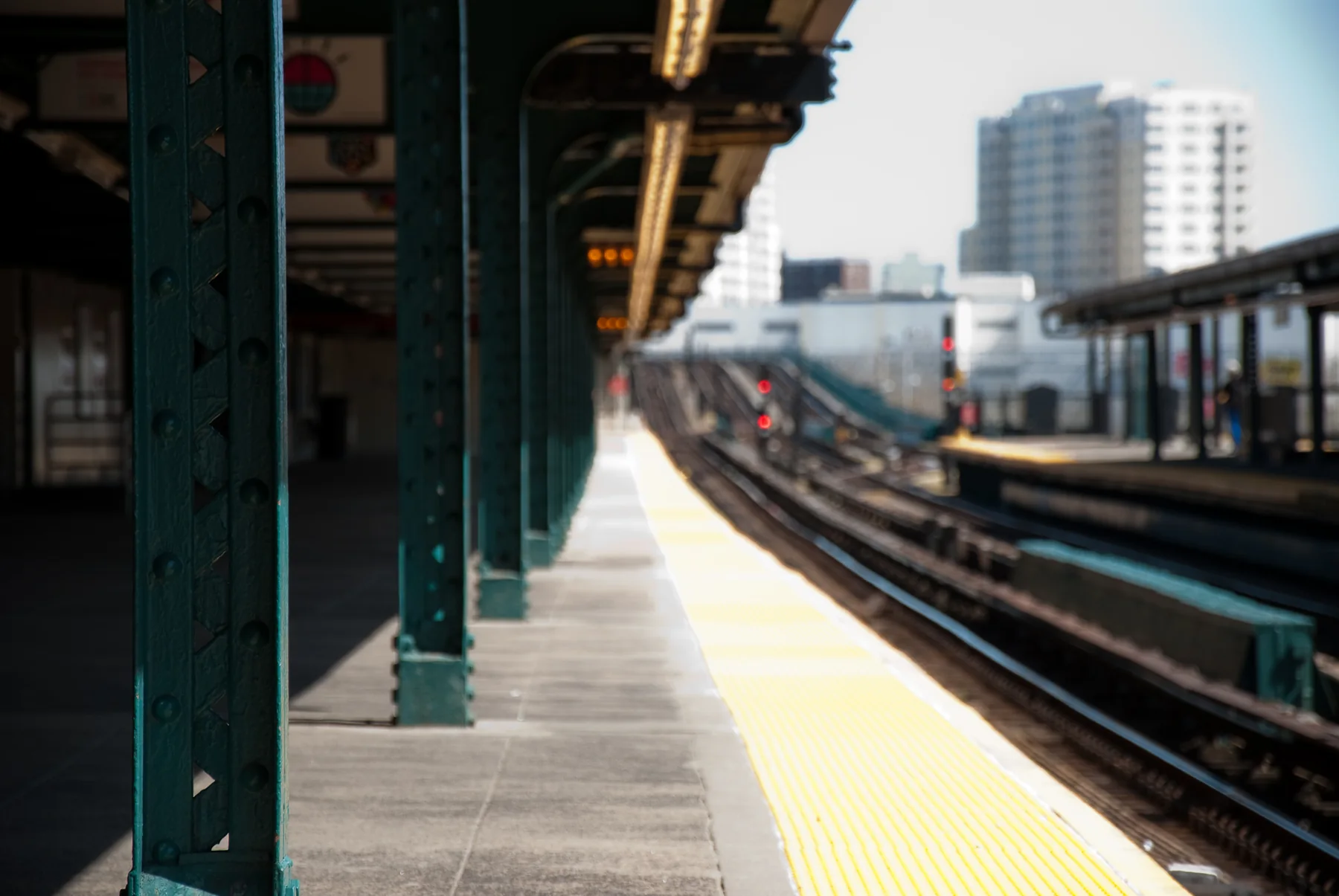
The 7 train is the default city route. It runs through Grand Central-42 St and connects with Manhattan subway lines, while the Times Square/Port Authority area provides another common transfer path. Its advantages are frequent service and ordinary subway integration: you can start from almost anywhere in the system without committing to a separate railroad itinerary. Its disadvantage appears after a huge night session, when platforms and cars absorb an arena-sized crowd.
The LIRR is the faster, more comfortable choice for many fans coming from Penn Station, Grand Central Madison or Woodside. Mets-Willets Point is on the Port Washington Branch, and travelers from other LIRR branches can transfer at Woodside. The railroad has a separate fare structure and a more timetable-dependent rhythm, so check the actual train you intend to take in both directions. Do not assume every train or late-night pattern matches an older fan guide.
| Route | Usually suits | Check before leaving |
|---|---|---|
| 7 subway | Subway-connected origins, budget-focused fans, flexible departures | Planned work, local/express pattern, station accessibility and crowding |
| Port Washington LIRR | Penn Station, Grand Central Madison, Woodside and Long Island origins | Exact stopping train, fare, return schedule and track updates |
Accessibility requires a current route check rather than a blanket promise. The USTA's 2026 guidance tells guests with disabilities using LIRR to leave at 61st Street-Woodside and transfer to the 7 for Mets-Willets Point. Elevators can be temporarily unavailable, so verify both MTA service status and the tournament's current access instructions before travel. Access-A-Ride has a separate event drop-off near Champions' Entry, covered in the next section.
Plan the return before the first ball. Save one preferred departure and one backup, especially after an evening session whose second match can run past midnight. A close five-setter does not care about your assumed train. Keep enough phone battery for service alerts, tickets and trip planning; take a screenshot of the broad route while remembering that a screenshot cannot show a late track change.
Driving and rideshare exist, but the USTA strongly recommends public transit because parking is limited. Rideshare uses the New York Hall of Science lot with a walking path to Champions' Entry rather than dropping at Ashe's doors. For most visitors, rail removes the hardest variable—event traffic—while preserving the unmistakable boardwalk arrival. Put your session into our US Open calendar, add the gate buffer, then confirm the live MTA trip on the day.
What Should You Know About Gates, Security and Accessibility?
Arrival at Flushing Meadows is not the same as entry: have the mobile ticket ready, travel with one compliant bag at most, and leave time for screening plus the walk to your court. Current 2026 ticket terms limit each guest to one bag no larger than 12 by 12 by 16 inches. Security may inspect guests and belongings, and the prohibited-items list remains the final authority on what cannot enter.
Pack for the current rule, not for a photo from last year's trip. A bag that meets the size limit can still contain a prohibited item, and security retains discretion to deny or confiscate items it considers unsafe. Large luggage is a particularly poor airport-to-tennis plan. The A-Z guide notes storage outside Main Entry or Champions' Entry, but using it consumes time and should be a backup rather than an itinerary.
US Open tickets are mobile. Add the ticket to Apple Wallet or Google Wallet, or have it available through the official app before joining the line. Will call is not available. Turn the screen brightness up, verify the correct session, and keep the phone charged. A screenshot may fail when a barcode refreshes; the ticket in the approved wallet or app is the dependable credential.
Before you join the gate line
- Open the current prohibited-items page and measure the bag.
- Load the correct mobile ticket or Fan Access Pass.
- Check gate opening and live wait information in the app.
- Keep accessibility requests, medication and support-device needs easy to explain.
- Allow another walking buffer after security.
The National Tennis Center provides wheelchair-accessible seating at Arthur Ashe, Louis Armstrong, Grandstand, Stadium 17 and field courts. Elevators and ramps support vertical routes, but a large tournament crowd can turn a theoretically accessible connection into a slow one. If you have an assigned accessible seat, identify its entrance and concourse before choosing a food stop or backup match on the other side of the campus.
Wheelchair escort service is available on a first-come, first-served basis through the venue Command Center. That wording is important: availability is not a timed reservation guarantee. Build in margin and contact guest services as early as practical. Service animals are allowed under the venue's control and seating rules, and accessible restrooms are distributed around the grounds.
For door-to-door public support, the MTA Access-A-Ride drop-off and pick-up point is at the bus area near Champions' Entry. Standard rideshare uses the New York Hall of Science lot; the USTA says a walking path and complimentary assistance shuttle connect that area with Champions' Entry. Confirm the current map, because choosing “US Open” in an app does not guarantee curbside delivery at the nearest stadium.
Finally, obey staff instructions even when the map suggests another route. Crowd controls, construction and enhanced screening can redirect a normal path. Our ticket guide helps verify the session before travel; the official A-Z and security pages govern entry. The best fan habit is to remove avoidable friction—minimal bag, ready phone, early arrival—so the unavoidable variables do not cost the opening games.
How Should a Fan Plan a Full Day in Flushing Meadows?
Build a full US Open day around one anchor match, one nearby alternative, one practice window and a realistic exit plan. A minute-by-minute list of ten famous players looks ambitious at breakfast and collapses as soon as the first match reaches a deciding set. The better plan protects the experiences you care about while leaving room for the match you did not know would matter.
The evening before, open the official Order of Play. Mark your reserved stadium match if you have one, then select an outer-court match within a sensible walking cluster. Save both in the US Open app. It supplies court assignments, live scores, real-time seating information and an interactive grounds map, so it can tell you whether your backup remains practical while you are on site.
Arrive when the gate opens. Use the first half-hour to clear security, orient yourself and reach a first-match court before the general-admission queue hardens. Early in the tournament, the 11 a.m. field-court schedule is the best concentration of choice. If Ashe begins later than the outer courts, watching the first set elsewhere can add quality without risking your assigned seat—provided you allow the walk and stadium entry time.
| Part of day | Editorial game plan |
|---|---|
| Gate to noon | Enter early; target a first-match field court or practice |
| Midday | Protect the anchor match and avoid cross-campus queue chasing |
| Mid-afternoon | Use practice schedule, doubles or a nearby live-score opportunity |
| Meal break | Eat during a matchup you willingly chose to miss, not at a fixed clock time |
| Evening | Confirm session access and the return train backup before settling in |
Practice is a strategic reset, not filler. The schedule updates daily, and a practice court can offer a much closer look at footwork, serve mechanics and team interaction than an upper stadium seat. It is also useful when a general-admission line becomes irrational. Ten focused minutes watching a contender work on the wide serve can reveal more than an hour spent staring at the back of a queue.
Manage energy like a five-setter. New York heat, hard concourses and repeated stadium climbs accumulate. Drink regularly, use shade when available, and eat before hunger dictates a long line. Choose food geographically: a nearby option preserves the live tennis you came to see. Keep phone battery for the mobile ticket, map and return service; charging support exists but is another queue you can avoid with a power bank that meets current entry rules.
Set a departure decision rather than a departure fantasy. If you hold a night-session seat, identify the last preferred LIRR and the 7 train backup. If you leave a day session before the headline match finishes, our watch-today guide can connect you to legal coverage. There is no shame in preserving the journey home; fatigue makes the final hour less memorable and the transit platform more difficult.
The deeper principle is to watch tennis, not collect court names. Stay when a qualifier solves a tactical problem. Move when a match no longer earns your attention. Recheck the app, but look at the court. A successful day in Flushing Meadows is one whose geography disappears because your route, access and timing support the sport rather than compete with it.
The venue editor’s verdict
Use Mets-Willets Point as the city landmark and one reserved or priority match as the day’s anchor. Ashe provides spectacle, Armstrong balances scale and intimacy, and the outer courts reveal the tournament’s competitive depth.
Travel light, arrive for the gate, confirm accessibility and service status, and let the Order of Play shape your movement. Flushing Meadows rewards fans who understand that the US Open is not one arena—it is a living tennis campus.
Loading comments…