2026 US Open Grounds Pass Guide: Prices, Access, Dates and Resale
A detailed 2026 US Open Grounds Pass guide covering court access, prices, the best dates, resale, queues, rain and court-hopping strategy.

The 2026 US Open Grounds Pass is built for fans who want choices. It can put you close to elite singles, doubles and emerging players across Louis Armstrong Stadium, Grandstand and the outer courts, but it does not reserve a seat and never opens Arthur Ashe Stadium. This guide turns those rules into a realistic buying and match-day plan.
A good Grounds day is part schedule reading, part crowd management and part tennis instinct. Prices and court assignments move, so every figure below is context rather than a permanent quote. Check the final total and current order of play before committing.
What a 2026 US Open Grounds Pass Actually Includes
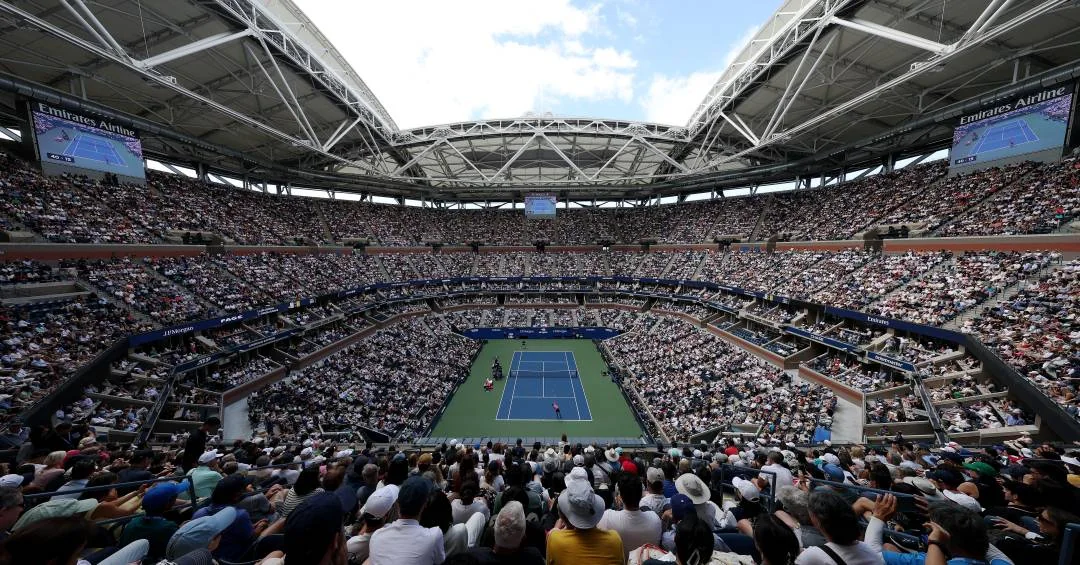
A Grounds Pass is an admission-and-roaming ticket, not a reserved seat. For the 2026 main draw, the official US Open offer covers dates from August 30 through September 8. Once inside, you may use first-come, first-served general-admission seating in Louis Armstrong Stadium, Grandstand and the field courts. You may also explore the public grounds, practice-viewing areas when open, food villages and fan spaces. What you cannot do is enter Arthur Ashe Stadium. There is no Grounds section hidden at the top of Ashe and no upgrade implied by the words “grounds admission.”
| Area | Grounds Pass access | What is guaranteed? |
|---|---|---|
| Arthur Ashe Stadium | No | Nothing inside Ashe |
| Louis Armstrong Stadium | General-admission areas, capacity permitting | No particular seat or match |
| Grandstand | General-admission areas, capacity permitting | No particular seat or match |
| Field courts | First-come seating and standing areas | Entry to the grounds, not every court at every moment |
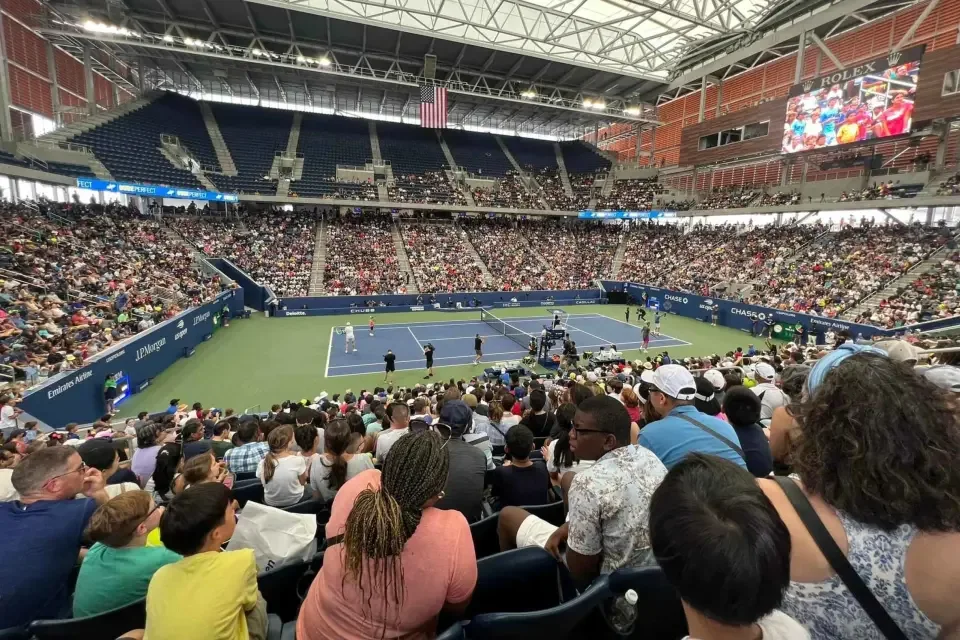
That last distinction is the entire Grounds Pass proposition. A fan who arrives early can sit astonishingly close to a top professional on an outer court. The same fan can leave for lunch and discover a long line when returning to a popular match. General admission is continuously shaped by capacity, player popularity, the score and the weather. If a particular Armstrong match is non-negotiable, a reserved Armstrong ticket is the safer product. If a particular Ashe match is non-negotiable, buy Ashe.
The pass is strongest for a fan who enjoys choosing between matches. Use the 2026 US Open schedule to identify the round, but remember that the detailed court assignment comes later. Your real asset is optionality: when a straight-sets match goes flat, you can move toward a deciding set elsewhere. Grounds Admission rewards curiosity, quick decisions and comfort with an unassigned seat. It disappoints buyers who interpret access as a guarantee.
Which Dates Give Grounds Pass Buyers the Most Tennis?
The first four days of the main draw are the purest Grounds Pass experience. First-round singles fill the outer courts, recognizable names appear away from Ashe, and simultaneous matches create real choices from late morning into the evening. The 2026 Grounds Admission window runs August 30 through September 8, but those dates do not offer the same menu. As the singles draws shrink, the center of gravity moves toward the ticketed show court. Later grounds schedules can still contain excellent doubles, juniors, wheelchair competition and practices, yet a buyer expecting a dozen main-draw singles options would be using an early-round mental model on a late-round day.
| Date profile | Likely strength | Main compromise | Best for |
|---|---|---|---|
| Opening days | Maximum singles volume and court choice | Heavy crowds and long queues for famous players | First visits, player discovery, all-day roaming |
| Middle of week one | Stronger matchups as draws narrow | Fewer total matches; popular courts fill sooner | Fans balancing quality and variety |
| September 6-8 | Doubles, juniors and a calmer grounds rhythm | Main singles increasingly concentrated in Ashe | Doubles specialists and development-watchers |
Do not buy a date because a search snippet says your favorite player “plays Monday.” The official tournament schedule tells you the round; the US Open order of play tells you the court and approximate sequence. That daily document is the moment when a generic Grounds Pass becomes a concrete tennis plan. A top seed could land in Ashe, outside your ticket, while a fascinating seeded-versus-unseeded clash lands on Court 17. The pass does not promise the star, but it often supplies the deeper card.
Arrival time changes the value of the same date. Official 2026 gate information lists 9:30 a.m. day-ticket entry from August 30 through September 5, subject to change. Being ready near opening provides a first choice before the highest-interest general-admission areas clog. It also creates time to watch warmups and complete a full early match before midday heat and meal lines peak. A fan arriving at 2 p.m. may still see hours of tennis, but has voluntarily surrendered the easiest seating cycle.
Choose the date by defining one priority. If it is “see the greatest number of singles players,” buy early. If it is “watch tactically rich doubles from close range,” later can be excellent. If it is “see the men’s quarterfinalist I follow,” Grounds is the wrong certainty mechanism because that match may be inside Ashe. Match density—not the prestige printed beside the round—is the grounds buyer’s most useful measure of value.
2026 Grounds Pass Prices, Resale and the Ashe Comparison
The official published starting point is $65, but that is not the price of every 2026 Grounds Pass. Ticketmaster’s 2026 guide also displayed a $121 average in its ticket-type comparison. Those figures are useful reference marks: one describes an advertised floor and the other an observed average. Neither promises that the date in your browser, the quantity you need or the inventory available at checkout will match it. Primary allotments can sell, verified-resale listings can appear, and a high-demand opening day can behave very differently from a later weekday.
Counterintuitive but important
Ticketmaster also advertised some Arthur Ashe seats from $43. A cheap Ashe day ticket generally gives you its assigned Ashe seat plus the grounds access attached to that session. If its final total is below a Grounds Pass for the same date, Grounds is not the budget winner.
Always make the comparison on one screen and for one date. Select the same ticket quantity, open a Grounds listing and an Ashe day listing, and advance far enough to see the all-in total. Confirm that the Ashe product is a day session; an evening Ashe ticket has a later entry window and is not a substitute for an all-day pass. Then ask whether you value the guaranteed Ashe match. If yes, the cheaper or slightly more expensive Ashe option can dominate. If you know you will never enter Ashe because the outer courts are your whole plan, a Grounds Pass at a fair total remains clean and simple.
Resale changes the color of the listing, not the access printed on the ticket. A verified-resale Grounds Pass still has no reserved seat and no Ashe access. Its price reflects what an individual seller asks and what current buyers will tolerate; it does not gain premium privileges because the number is high. Use the official US Open route or Ticketmaster’s clearly marked marketplace, then verify date, quantity and ticket type again at checkout. Avoid using a social-media screenshot as evidence of ownership. Mobile delivery must ultimately place a functioning ticket in the approved account or wallet.
- Compare: Same date, same quantity, same entry period.
- Count: Ticket total plus disclosed fees.
- Value: Guaranteed seat versus freedom to roam.
- Reject: Any deal that depends on a screenshot or off-platform pressure.
Price can move after the draw, but waiting is not automatically smart. Decide a fair all-in ceiling from your alternatives and buy when the product meets it. Our other US Open planning guides can help compare ticket types, yet the current checkout page is the only reliable quote for the moment you purchase.
How to Build a Full Day of Court-Hopping
A productive Grounds day needs one anchor and several escape routes. The night before, select a first match that matters to you and two nearby alternatives starting at roughly the same time. On arrival, go directly to the anchor court instead of shopping or eating. Once seated, look at the running scores: a 5-5 first set elsewhere is a better switching target than a match that has not begun, while a deciding set on the next court may justify leaving a routine straight-setter. This is how the pass becomes more than random walking.
- 1. Load entry before leaving. Put the mobile ticket in Apple Wallet or Google Wallet, or confirm it opens inside the official US Open app.
- 2. Screenshot the plan, not the barcode. Save your three opening options for reference, but use the live app for changes and entry.
- 3. Commit through one meaningful passage. Watch at least a set or a tactical phase; constant movement can reduce a day to entrances and changeovers.
- 4. Eat against the schedule. Use the end of a short match or the beginning of a low-priority one, not the universal noon rush.
- 5. Re-draft after 4 p.m. Check unfinished matches, doubles and practice information before assuming the good tennis is over.
The official app is unusually valuable for this ticket type. It combines the current schedule, live scores, practice information, map and real-time court-seating availability. No indicator eliminates a physical queue, but it can stop you crossing the campus toward a full area while a compelling match has space behind you. Keep the phone charged and carry a legal compact battery if venue policy permits it. A dead phone is both a planning failure and a ticket-access problem.
Watch points and games, not just names. A lower-ranked player returning from two sets down can produce better live tennis than the first hour of a star’s routine win. Use live US Open results to identify long sets, medical interruptions and momentum swings. When leaving a seat, assume you may not recover it. Before moving, compare the certainty you have with the upside of the target.
Finally, respect distance and heat. Group adjacent courts into a cluster and avoid zigzagging after every notification. Take water breaks before you feel depleted, locate shade, and reserve one period simply to sit close on an outer court. A successful Grounds day is not measured by the number of court signs photographed. It is measured by how many meaningful stretches of tennis you actually watched.
Rain, Queues and Ticket Rules You Must Understand
Rain exposes the central tradeoff in Grounds Admission. Louis Armstrong Stadium has a retractable roof, but your pass only reaches its general-admission area while space is available. When outdoor courts stop, thousands of fans can chase the same covered tennis. The roof protects the match; it does not create a guaranteed seat for every grounds holder. If wet weather is likely and live play is essential, a reserved ticket in Ashe or Armstrong buys a much stronger form of certainty.
The 2026 inclement-weather policy does include eligible single-session Grounds Admission bought directly through Ticketmaster, USOpen.org or the National Tennis Center box office. However, it is a detailed threshold policy, not a simple “it rained, therefore refund” promise. The amount of play completed matters, the USTA determines whether a session qualifies, and the remedy may be an exchange subject to its terms and availability. Secondary-market purchases and any amount paid above face value may not receive the same protection. Read the live policy before buying a weather-sensitive date and retain the original confirmation.
Five checks before the train reaches Mets–Willets Point
- The ticket says Grounds Admission and the correct 2026 date.
- The live ticket is in Apple Wallet, Google Wallet or the official US Open app.
- Every separately arriving guest has accepted a transferred ticket.
- The phone is charged; a screenshot, PDF or email confirmation will not scan.
- You have checked weather, gate time and the latest order of play.
Queue discipline continues after entry. General-admission seats turn over during changeovers and after sets, but a line is not a promise that movement will occur quickly. Ask the attendant for realistic guidance, keep pathways clear and avoid abandoning a good match for a famous name whose court is already full. If the day is interrupted, the official app and venue announcements outrank rumors moving through the line.
Ticket terms also matter when plans change. Transfer through the authorized account flow rather than sending credentials. Once a transfer is accepted, the original ticket is no longer usable in the sender’s account. If you sell, use the authorized marketplace and understand that deadlines can apply after play begins. A cheap private transfer is not cheap if entry support and weather remedies disappear with it.
The Grounds Pass remains one of tennis’s most exciting tickets because it lets a fan improvise. Just buy the product it actually is: access without a reserved anchor, broad choice without Ashe, and outdoor abundance that weather can compress. If conditions turn bad and you cannot enter covered tennis, follow scores and legal coverage through our US Open watching guide while you monitor official instructions. Preparation cannot control the sky, but it can prevent a rain delay from becoming a ticketing mistake.
Loading comments…