Ticketmaster US Open 2026: Official Tickets, Verified Resale and Scam Checks
How to use Ticketmaster for 2026 US Open standard and verified resale tickets, compare fees and avoid mobile-ticket scams.
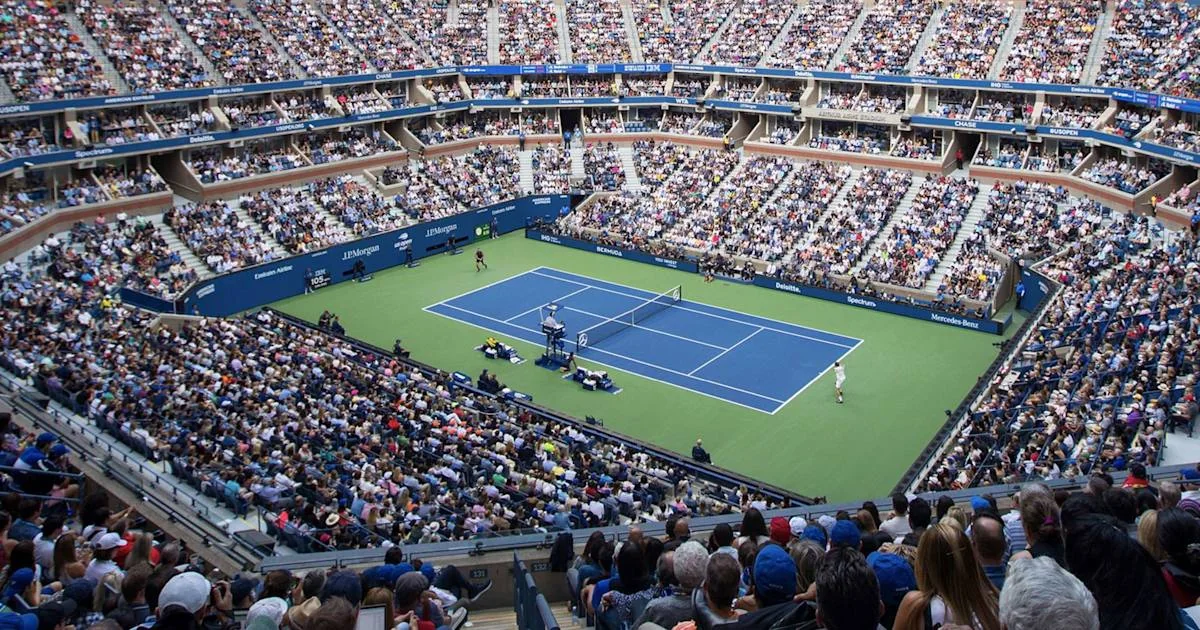
Ticketmaster is the official ticketing partner for the 2026 US Open, but “on Ticketmaster” is not the end of the buying decision. Standard and Verified Resale seats can share a map, prices can move with the draw, and a valid mobile transfer is fundamentally different from a screenshot offered in a private message.
This guide shows fans how to read each listing, compare the real total, protect mobile entry and understand the less obvious consequences of transfer, resale and weather policy.
Is Ticketmaster the Official Place to Buy 2026 US Open Tickets?
Yes. Ticketmaster is the official ticketing partner and Official Fan Ticket Marketplace of the 2026 US Open. The safest route begins on the US Open’s own ticket page or the dedicated Ticketmaster US Open hub, not a sponsored search result with a similar name. USOpen.org also identifies its Ticketmaster-powered marketplace as the only secondary site where resale purchases are authenticated and verified by Ticketmaster. That is the clearest official answer to “where should I buy?”
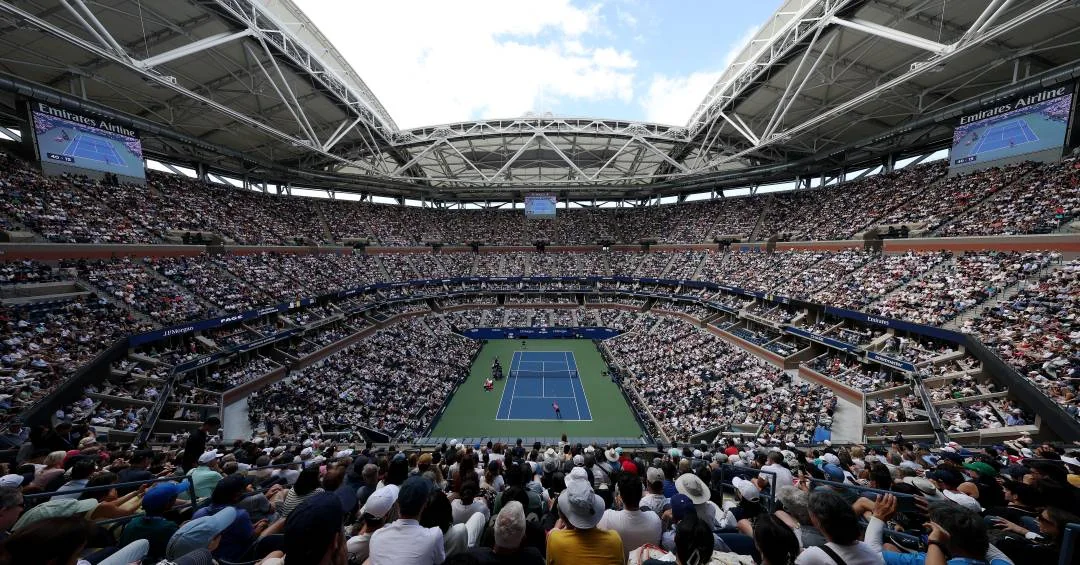
“Official” does not mean every seat is sold at its original price. A Ticketmaster event map can contain standard inventory controlled by the event and Verified Resale inventory listed by existing ticket holders. Both can be genuine. Their prices, fee presentation and seller logic may differ. Before judging the number, identify the label. A verified $600 listing is safer than an anonymous screenshot, but verification alone does not make $600 good value.
The four-item session check
- Date: match the calendar day to your travel plan.
- Entry window: day and evening tickets are different products.
- Venue: Ashe, Armstrong, Grandstand and Grounds have different guarantees.
- Seat: confirm section, row and quantity—or understand that Grounds is unreserved.
Use our 2026 US Open schedule to map the date to a round before opening the seat chart. A ticket does not promise a particular player unless that event explicitly does so; the detailed order of play arrives much closer to match day. Buying the right Sunday for the wrong session is still a bad transaction, even when every barcode is authentic.
The practical purchasing hierarchy is straightforward: first, primary inventory through official links; second, Ticketmaster Verified Resale when primary options do not suit; third, any other marketplace only if you consciously accept its delivery, support and policy differences. Private direct payment carries the most risk because the buyer may have neither platform verification nor meaningful recourse. Start official, inspect the listing label and keep the order inside your own account.
Standard Tickets vs Verified Resale Listings
Standard and Verified Resale describe where the inventory comes from, not two levels of tennis. Standard inventory is made available through the event’s official sale. Verified Resale inventory is listed by a current ticket holder and authenticated through Ticketmaster’s marketplace. A resale ticket for Section 318 does not become a better seat because a seller asks twice the standard price; it is still Section 318, Row whatever the listing says, for the same session.
Standard listing
- Inventory comes through the event’s primary sale.
- Price is set through the event’s ticketing structure.
- Availability may reappear as holds are released.
- It can sit beside resale inventory on the same map.
Verified Resale listing
- An existing holder lists the ticket.
- The seller’s asking price responds to the market.
- Ticketmaster authenticates the inventory and fulfills the sale.
- Policy treatment can differ from an original direct purchase.
The right comparison begins with access. For a reserved seat, compare the same session, section and nearby rows. For Grounds Admission, compare identical dates and entry windows because there is no row. Then compare the displayed total for your full quantity. A resale listing one row closer may be worth a modest premium; a listing on the opposite baseline may appeal to a fan who reads serve patterns differently. But “verified” is a security feature, not an editorial endorsement of the asking price.
Resale becomes especially useful after primary inventory is sparse, when a group needs adjacent seats, or when the draw creates demand for a particular session. It can also occasionally undercut remaining standard choices if sellers lower prices. There is no rule that resale is always higher. The map is a live negotiation between supply and fans’ willingness to pay, so take a screenshot of the comparison for your own notes—but never confuse that shopping screenshot with an entry ticket.
Player assignments add another layer. The US Open order of play can cause one session’s market to jump when a champion is scheduled there. If your trip is flexible, compare adjacent sessions before chasing the newly expensive one. If the player is the purpose of the trip, decide how much that certainty is worth and set a ceiling. The label tells you the sales channel; the tennis schedule tells you why the market is moving.
One final check: make sure a low-priced listing is not a different ticket type filtered into the view. Grounds, Armstrong, Grandstand and Ashe carry different seat guarantees. Read the event name and details on the final screen rather than relying on map color alone.
The Mobile-Ticket Scam Checks That Matter
A screenshot is not a 2026 US Open ticket. The official mobile-ticketing rules say screenshots, PDFs and email confirmations are not accepted at the National Tennis Center. Entry requires the barcode through the US Open app or a ticket added to Apple Wallet or Google Wallet. A seller can show a beautiful order email and still lack the ability—or intention—to transfer a usable ticket. Treat images as conversation, never as delivery.
Walk away when a seller says…
- “The screenshot scans fine.”
- “You only need this PDF.”
- “Pay now; transfer will unlock after the match starts.”
- “Use my account password instead of accepting a transfer.”
- “Friends-and-family payment is the only option.”
On an official marketplace purchase, fulfillment happens within the platform. On a legitimate person-to-person transfer, the recipient receives the acceptance invitation, signs in or creates the account associated with that email, accepts the ticket and then sees it in the authorized environment. Once accepted, the sender’s old copy is invalid. If members of a group arrive separately, transfer each person’s ticket before leaving for Queens; do not depend on one phone and a last-minute meeting outside a crowded gate.
Prepare the device as carefully as the purchase. Update the app, verify the correct account email, add the ticket to the wallet before traveling and charge the phone. The official guide recommends wallet storage to reduce connectivity risk. Increase screen brightness at scanning. If the ticket will not load, resolve it before entering the security line rather than discovering the problem when a match is already underway.
Scammers exploit urgency after the US Open player field and order of play create a fashionable session. Slow the transaction down. Check the date, section and quantity; search the seller’s payment request for altered addresses; preserve messages; and never let an alleged bargain cancel basic buyer protection. The official Ticketmaster resale route charges for its marketplace, but authentication and fulfillment are part of what that cost buys.
A final nuance: seeing a ticket in a browser link is not always equivalent to controlling it in your account. Follow the official acceptance flow, then confirm the event sits in your own account and can be added to the approved wallet. If that sequence does not complete, the transaction is not ready for match day.
Prices, Fees and When to Buy
US Open ticket prices move because the underlying product keeps becoming more specific. Months out, a buyer knows the date and round. After the draw, the possible names narrow. After the order of play, the actual session and court appear. Each layer of certainty can attract demand. Official US Open guidance says single-session tickets are subject to dynamic pricing, while resale sellers respond to their own urgency and the market. There is therefore no reliable countdown at which every ticket suddenly becomes cheap.
Ticketmaster says prices are typically lowest when tickets first go on sale, but also warns that they fluctuate and are not guaranteed to fall before match day. That wording matters. “Typically” supports buying early when your trip is fixed; “no guarantee” rejects the idea that waiting always wins. A final, Labor Day weekend session or small cluster of adjacent seats has genuine scarcity. An early-round fan who can attend Tuesday, Wednesday or Thursday has substitutes and can monitor the market more comfortably.
| Your situation | Stronger strategy | Why |
|---|---|---|
| Final or one fixed night | Buy acceptable inventory early | Few substitutes and matchup demand can increase |
| Four seats together | Protect adjacency | Contiguous supply is scarcer than single seats |
| Flexible early-round day | Compare several dates | More sessions and ticket types can satisfy the plan |
| One player only | Wait for assignment, accept price risk | Earlier purchase cannot guarantee the player’s session |
Fees must be treated as part of the seat price. Compare the displayed all-in amount for the same number of tickets and note any taxes or delivery terms shown before payment. If two listings appear close, multiply the per-ticket difference across the group. A $24 gap becomes $96 for four people before anyone buys a train ticket or lunch. On resale, remember that a seller may be setting an ask partly to recover acquisition and seller costs; that explains the number but does not make it your obligation.
Use the US Open calendar to build a short list rather than staring at one fashionable session. Record section, row, ticket label and total, then stop shopping when an option meets your pre-set ceiling. Constant refreshing can turn a reasonable purchase into a fear-driven upgrade. The objective is not to beat every other fan’s price. It is to secure the right tennis, through the right channel, at a total your trip can absorb.
Selling, Transferring and Weather Rights
Selling and transferring are not synonyms. A transfer sends control of a ticket to a specific recipient; it does not collect payment or make Ticketmaster responsible for a private deal. Resale creates a marketplace listing, and the platform handles the buyer transaction under its terms. If a ticket is eligible, a holder who cannot attend can list it through the account. Ticketmaster’s US Open FAQ says an unsold listing can be removed so the holder may use the ticket or transfer it to a friend.
Transfer
Best for a known guest or splitting a group’s tickets. The recipient must accept; the sender’s old ticket becomes invalid.
Resale
Best when seeking a marketplace buyer. Listing controls, fees and payment timing apply.
Keep
If a listing does not sell, remove it before the relevant deadline and confirm the ticket is active in your account.
The difficult issue is weather. The 2026 ticket terms say resale tickets—including Ticketmaster resale—and tickets received through Ticketmaster Ticket Transfer are not entitled to the USTA exchange or refund if a US Open session is cancelled. Eligible single-session tickets bought directly from Ticketmaster, USOpen.org or the box office instead fall under the official inclement-weather policy. That policy uses completion thresholds and specific remedies; it is not an automatic cash-refund guarantee whenever rain falls.
This creates a distinction many buyers miss: an authenticated resale ticket can be completely valid for entry while carrying weaker weather rights than an original direct ticket. “Verified” addresses authenticity and fulfillment. It does not silently rewrite the USTA’s cancellation policy. Before paying a large resale premium for an outdoor-heavy session, open the current policy, examine the ticket’s chain and decide whether the weather exposure is acceptable. Amounts paid above face value deserve particular caution because event remedies are not designed to insure a speculative premium.
Sellers should keep their account secure, use only the official Sell or Transfer controls and verify the recipient email character by character. Buyers should accept promptly and save the ticket to the approved wallet. Both sides should preserve transaction records. Never hand over an account password: legitimate transfer is designed to avoid shared credentials.
If a session is disrupted, follow notifications from the USTA and Ticketmaster rather than guessing from radar or social posts. Covered stadium play may continue while outer courts stop, and the official determination controls policy treatment. If you cannot attend a changed session, consult the purchase-channel support that handled your transaction. Our US Open watch guide helps you follow play, but only the live ticket terms explain what remedy—if any—belongs to your order.
Loading comments…